The Flamingo Revolution: Albania’s Last Wild Coast and the Battle for Its Soul
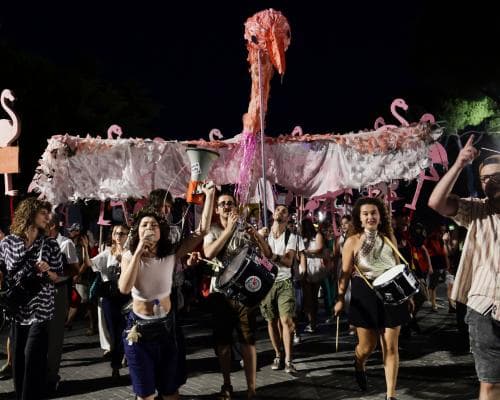
The first sign that something was shifting in Albania came not from a government palace, but from a lagoon. For weeks, thousands have poured into the streets of Tirana, their chants echoing off socialist-era blocks and newly built glass towers. They call it the flamingo revolution—a name borrowed from the elegant pink birds that nest in the salt flats of Zvërnec, a nature reserve on the central Adriatic coast. What started as an environmental protest against bulldozers scraping the shoreline has swelled into a national reckoning. At its heart: a $1.4 billion luxury tourism project backed by Jared Kushner and Ivanka Trump, proposed for one of the last undeveloped stretches of the Mediterranean.
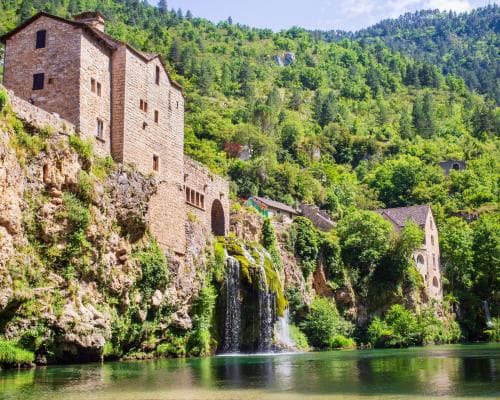
Zvërnec is not just any beach. It is a mosaic of shallow lagoons, ancient olive groves, and the island of Sazan—a former military base that now hosts some of the rarest bird species in Europe. The lagoon shelters over 2,500 species, from flamingos to loggerhead turtles. It is quiet, raw, and achingly beautiful. For decades, it has been a secret known mostly to ornithologists and the occasional yachtsman who strayed north from the Ionian. Now, it is the stage for a battle between two visions of luxury: one that builds private resorts behind guarded gates, and another that believes true wealth lies in what cannot be replaced.
The proposed development, which the Albanian government insists is not yet finalised, includes a hotel, villas, and a marina on Sazan island and the adjacent Narta Lagoon. Videos of bulldozers clearing vegetation went viral in late February, igniting protests that quickly grew into the largest anti-government demonstrations since the fall of communism in 1991. Prime Minister Edi Rama, who won a fourth term last year on a turnout of just 45%, has been defiant. “There is absolutely no chance that the investment will stop as long as I am here,” he said. Critics call it bulldozer democracy—development that looks impressive from a distance but flattens everything in its path.
For the ultra-wealthy traveller, this story raises an uncomfortable question. The Adriatic coast from Croatia to Montenegro has been steadily polished into a string of superyacht harbours and private islands. Albania, long overlooked, was the last rough diamond. Its appeal lay precisely in what it lacked: crowds, chain hotels, and the kind of manicured perfection that can feel like a gilded cage. The Kushner-Trump proposal promises five-star amenities and exclusive access. But exclusivity, in this case, means fencing off a lagoon that has been communal for centuries. The protesters—students, artists, grandmothers—argue that some places are too precious to be privatised, no matter the price tag.
What makes this movement remarkable is its elegance. There is no violence, no broken windows. Instead, demonstrators carry flamingo puppets, wear pink feathers, and dance in the streets. They have turned a political crisis into a work of art. And they have caught the attention of a global audience that includes not just environmentalists, but luxury travellers who increasingly seek authenticity over opulence. The flamingo revolution signals a shift in how the wealthy want to experience the world: not as conquerors of nature, but as guests. The most coveted destinations are no longer those with the highest thread counts, but those that still feel alive, untamed, and shared.
Albania is not the only place where this tension is playing out. From the Maldives to Patagonia, the ultra-wealthy are beginning to understand that the rarest luxury is a place that hasn’t been optimised for them. The protests in Tirana are a reminder that the most memorable journeys are often those that carry a story of resistance. For now, Zvërnec remains open—the flamingos still arrive each spring, the lagoon still glows pink at sunset. But the bulldozers are idling. If you want to see the wild Adriatic as it has been for millennia, the season to go is now. Before the gates go up. Before the revolution ends.