Super Furry Animals' £2,000 Shirt Deal Is the Anti-Sponsorship Play the Wealthy Should Study
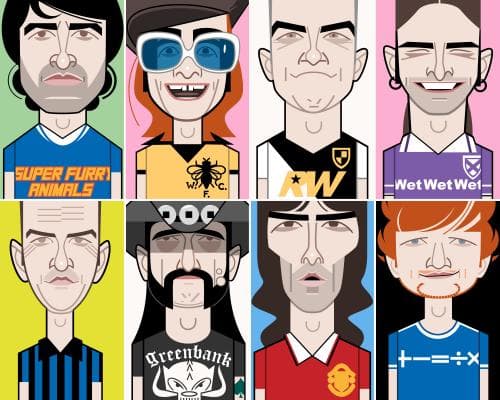
The last time Super Furry Animals put their name on a football shirt, it cost them £2,000 and the kits were knock-offs made for ice hockey. That was 1999, when the band's frontman Gruff Rhys and bassist Guto Pryce—both Cardiff City fans—persuaded their north Wales bandmates to back the Bluebirds for a Welsh Cup run. Now, nearly three decades later, the band is back in the shirt-sponsorship game, but the deal is even smaller: they're sponsoring Cwmbran Celtic, a club just relegated from Wales's second tier. And that's precisely why this story matters to anyone who thinks they understand how wealth and branding work.
The economics here are almost laughably tiny. £2,000 in 1999 money is roughly £3,800 today—less than the price of a single luxury handbag or a modest weekend in the Cotswolds. Yet the cultural return on that outlay has been compounding for 25 years. The original Cardiff City shirts are now collector's items, fetching hundreds of pounds on eBay. The 2025 Cwmbran Celtic kit, made by a local manufacturer, will likely sell out within days of the announcement. This isn't sponsorship; it's a cultural arbitrage play.
What's happening in Welsh football is a microcosm of a broader shift in how the wealthy deploy capital. The old model was simple: pay top dollar for the biggest logo placement—Manchester United, the Champions League, a Formula 1 car. The new model is about authenticity, scarcity, and narrative. When Super Furry Animals sponsor Cwmbran Celtic, they're not buying exposure; they're buying a story. And stories, as any private equity firm will tell you, are what drive premium valuations.
The band isn't alone. Scottish post-rockers Mogwai have sponsored the men's away strip for the same club, with 10% of shirt sale profits going to a grassroots music charity. This follows a tradition of musician-owners and patrons: Elton John's chairmanship of Watford, Robbie Williams's 2024 elevation to Port Vale club president. But there's a key difference. Elton and Robbie were buying influence and legacy at established clubs. Super Furry Animals and Mogwai are buying something far more intangible: cultural credibility with a grassroots community. And in an era where every billionaire is trying to look authentic, that's the rarest commodity of all.
For the wealthy, the lesson is clear. The super-rich have been pouring money into sports for decades—from Roman Abramovich's Chelsea to Steve Ballmer's Clippers. But the smartest capital is now moving toward smaller, more meaningful stakes. Look at Ryan Reynolds and Rob McElhenney's purchase of Wrexham, which turned a National League club into a global brand worth tens of millions. Or consider the rise of 'community ownership' models in German football, where fans hold 51% of voting rights and clubs thrive on authenticity rather than petrodollars.
The Cwmbran Celtic deal is the logical endpoint of this trend: a sponsorship that costs less than a used car but generates more goodwill than a £50 million naming-rights deal. It's the anti-sponsorship. It's a statement that says, 'We're not selling you something; we're sharing something with you.' And in a world where consumers are increasingly allergic to corporate messaging, that's the most valuable marketing currency there is.
So what does this signal for markets? For one, it suggests that the value of cultural assets—music catalogs, film libraries, even football clubs—will continue to rise, but with a twist. The premium will shift from scale to specificity. A band's back catalog owned by a private equity firm is worth less than a band's logo on a fourth-division football shirt. Because one is a financial asset; the other is a piece of living culture. And culture, as any collector will tell you, appreciates in ways that spreadsheets can't capture.
For the wealthy looking to deploy capital, the message is simple: stop chasing the biggest stage. Start looking for the smallest one with the most authentic story. Super Furry Animals spent £2,000 and got a lifetime of goodwill. That's a return no hedge fund can match. And as Cwmbran Celtic's shirts fly off the shelves this season, remember: the smartest money doesn't just buy assets. It buys narratives. And right now, the best narratives are in the lower leagues.
More in MONEY