The Billionaire's Dilemma: When Gen Z Memes Topple Titans
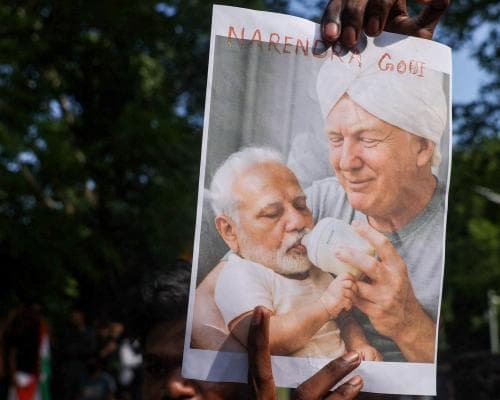
Imagine hosting a dinner for thirty of the world's most powerful people. The champagne is Krug Clos d'Ambonnay. The truffles are from Alba. The conversation is carefully curated—no politics, no names, no friction. That is the unspoken contract of elite India's social circuit. For sixteen years, I've performed standup in that rarefied air: corporate retreats in Udaipur, private shows for industrialists, keynotes at business schools where the audience's net worth could buy a small country. And every single time, the request is the same. 'Anuvab, you can joke about anything—just don't mention any specific names, places, incidents or events.' We laugh, we clink glasses, we pretend the world outside doesn't exist. That was before the cockroaches arrived.
The old playbook for protest in India is as dusty as a Raj-era archive. A hunger strike by a prominent figure. Demands. Police lathis. A compromise. A fast broken. A cause sold out. It is a ritual, not a revolution. So when a medical exam paper was leaked—bribery, that reliable lubricant—and the education minister was accused of lapses, and the legendary Sonam Wangchuk went on hunger strike, I yawned. I had seen this movie before. But then a satirical collective called the Cockroach Janata party stepped in, and their Gen Z army did something no one expected. They didn't march with placards. They didn't chant Marxist slogans. They pulled out their smartphones—the same devices that power India's $250 billion tech export industry—and weaponised them with memes, AI-generated videos, and profane, brilliant satire. One video showed hundreds of students at a train station chanting in unison: 'The prime minister is a thief.' A cartoon depicted the PM being kissed by two billionaires, one on each cheek. The artist signed his name. Defiantly.
Here is where the story gets interesting for anyone who owns a private jet or a Degas sketch. India's young population—450 million people under 25, rich and poor alike—are all armed with smartphones and data plans cheaper than a cappuccino. They have been trained by the same algorithms that sell you luxury watches and rare Bordeaux. And they have turned that training against the system. The memes are not just funny; they are surgical. They target the media ecosystem that protects the powerful. They use the same AI tools that generate your bespoke travel itineraries to create doctored videos of politicians. The craftsmanship is crude, but the distribution is flawless. It goes viral before the government can issue a denial. This is not a protest. It is a distributed, real-time, AI-assisted PR crisis for the ruling class. And it is working.
What does this signal about wealth and taste? The old guard—the billionaires who built empires on steel, cement, and regulatory favours—are accustomed to controlling the narrative. They buy newspapers. They fund think tanks. They host galas where no one mentions names. But Gen Z doesn't play by those rules. They have no respect for the velvet rope. They see the photos of oligarchs at Davos and the PM's office, and they make art of it. The luxury market, which thrives on exclusivity and controlled messaging, is watching nervously. When a protest movement can generate more cultural cachet than a fashion week, the calculus shifts. The young elite—heirs to fortunes, founders of unicorns—are caught between their parents' world of discretion and their peers' world of digital insurrection. They want the Hermès bag and the viral meme. They want to be both inside the room and outside the window, throwing digital stones.
Forward-looking: the next decade of power will not be won in boardrooms or ballot boxes alone. It will be won in the feed. The billionaire who understands that a well-crafted meme is worth a thousand lobbyists will survive. The one who insists on the old contract—no names, no incidents, no friction—will find themselves the subject of the next viral cartoon. The Cockroach Janata party has shown that comedy, when it is sharp, profane, and relentless, can change policy. It can make a government negotiate. It can make a minister resign. And it can do it all without a single hunger strike. For the ultra-wealthy, the lesson is uncomfortable but clear: the luxury of silence is over. The young have found their voice, and it sounds like a laugh track.
The Experience
To understand the pulse of India's new power brokers, commission a private briefing with a cultural strategist who tracks Gen Z digital movements—available through select concierge services for clients with a minimum net worth of $50 million.
More in ENTERTAINMENT

The $2,000 Debt, the Lost Tapes, and the Beatnik Who Just Sold Out: How Nirosta Steel Became the Year’s Most Unlikely Luxury Asset
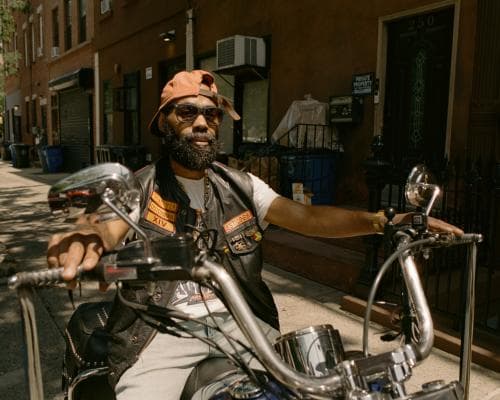
The $30,000 Bourbon Street Parade: How Black Motorcycle Clubs Are Redefining Freedom, Heritage, and Luxury on Two Wheels
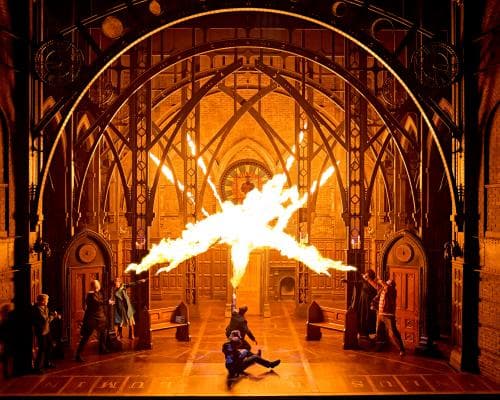
The $100 Million Gamble: How Harry Potter’s Stage Magic Became the Ultimate Status Ticket