The Run Club That Shook Bali: When the Island's New Elite Forgot Its Welcome
Annisa Rahmadani did not set out to start a revolution. She just wanted to go for a run. When the 34-year-old university lecturer from Bandung tried to join the Entourage running club in Bali, her registration was rejected — an error the club later blamed on a glitchy phone system that wouldn't accept Indonesian numbers. But the snub, posted online, detonated. Within days, national politicians were weighing in, immigration authorities were involved, and the club's Dutch organizers were barred from Indonesia. "I had no idea it would get that big," Rahmadani said. "But it seems it was just the tip of the iceberg."
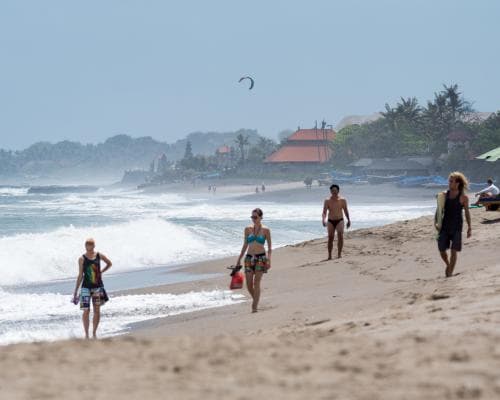
The iceberg, as it turns out, is the new Bali — a Bali where the gentle hum of gamelan has been replaced by the thrum of MacBook Airs in air-conditioned co-working spaces, where warung food stalls now sit beside cold-pressed juice bars, and where the island's beaches are lined not with fishing boats but with paddleboard racks and luxury gyms. The Entourage club, with its curated runs and social media polish, became a lightning rod for a deeper anxiety: that the island is being quietly colonized by a wealthy, transient class who treat it as a backdrop for their wellness fantasies, not a home with its own people, rhythms, and rights.
For the luxury traveler, this is a story about access — and its discontents. The same forces that have made Bali a magnet for the ultra-wealthy — the Instagram-perfect villas, the world-class surf, the visa regimes that let you stay for a year on a whim — have also created a strange new geography of exclusion. In Canggu and Uluwatu, the once-sleepy villages now bristle with private clubs, members-only beach bars, and boutique fitness studios where the monthly fee could feed a local family for a season. The Entourage club was not the first to be accused of gatekeeping, but its swift fall from grace — the organizers banned, the club shuttered — sent a message that even the most privileged visitors are not above the island's patience.
What makes this particularly poignant is that Bali has always traded on its openness. The Balinese are famously hospitable, their culture woven around ceremony, community, and welcome. But that welcome has limits. As Bali regional parliamentarian Niluh Djelantik put it, "The patience of the locals had been tested for too long." The pandemic only accelerated the shift: remote work turned the island into a digital nomad mecca, and the influx of foreigners — many of whom stay for months or years — has driven up rents, strained infrastructure, and created a parallel economy where a latte costs more than a local's lunch. The running club controversy crystallized a feeling that parts of Bali are becoming socially and economically detached, places where locals increasingly feel like outsiders in their own home.
For the luxury traveler, the lesson is not to stay away — it's to go deeper. The true Bali, the one that predates the wellness retreats and the influencer backdrops, is still there: in the temple ceremonies of Ubud, the fishing villages of Amed, the quiet rice terraces of Jatiluwih. The discerning traveler knows that the most meaningful access is not to a private beach club but to a culture that has survived centuries of change by adapting without losing itself. That means staying in locally owned accommodations, eating at warungs, and — yes — joining a community run that actually includes the community.
The Entourage affair signals a shift in luxury travel itself. The wealthy no longer want just a villa with a plunge pool; they want a story, a connection, a sense of place that isn't manufactured. But that desire can curdle into entitlement if it ignores the people who make the place what it is. The smartest operators in the luxury space are already pivoting — creating experiences that are immersive, respectful, and reciprocal, where guests are guests, not colonizers. They understand that the most exclusive thing on offer in Bali today is not a sunset cruise or a private chef, but a genuine welcome.
So where do the wealthy go next? Not to the next Canggu — that's already over. They go to the places that have learned from Bali's mistakes: to the lesser-known islands of the Indonesian archipelago, to the villages of Sumba and Flores, where tourism is still a conversation, not a takeover. They go with humility, with a willingness to listen, and with the understanding that the best trip leaves both the traveler and the host better off. The running club may be gone, but its ghost lingers as a reminder: paradise is not a possession. It's a privilege — and one that must be earned, every single day.