The Deepfake Deception: When Betting’s Ghosts Borrow Football’s Brightest Faces
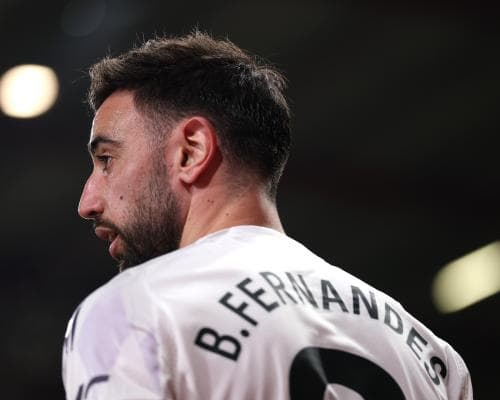
Picture this: you’re scrolling through your feed and see Bruno Fernandes, Manchester United’s captain, smiling beside a sleek logo for a betting platform. He looks genuine. The lighting is right. The body language is natural. But it’s not him. It never was.
That video, that photograph, that entire endorsement is a phantom — a deepfake stitched together from stolen footage and fed through an AI engine. The operators behind Nightwin and QH88 have done something that even the most brazen offshore casinos previously avoided: they’ve digitally kidnapped two of the world’s most famous footballers, Jude Bellingham of Real Madrid and Fernandes, and presented them as official global ambassadors. No contract. No permission. Just a ghost in the machine.
To understand the audacity, you have to understand the ecosystem. Illegal betting platforms operate from jurisdictions where the concept of image rights is a foreign phrase. They hide behind shell companies and anonymous registries. Cease-and-desist letters are shredded. Lawsuits? Against whom? You cannot sue a phantom. Until now, these operators recruited only retired players — those no longer bound by FIFA’s strict Article 27, which bans active footballers from any association with sports betting. But this new tactic crosses a line: it forges the identity of current stars, risking their careers and reputations without their knowledge.
The craftsmanship here is perverse. The deepfakes are not amateurish. They use real press conference footage, match-day clips, and studio interviews, then algorithmically map Fernandes’s or Bellingham’s face onto a body wearing a branded polo. The voice is synthesized from public audio. The result is chillingly convincing — good enough to fool casual fans and, crucially, to drive deposits onto illegal platforms. This is not a prank. It is a sophisticated theft of likeness, repackaged as marketing.
For collectors and connoisseurs of authenticity — whether in watches, art, or football memorabilia — this story is a warning. The same digital tools that can restore a vintage Patek Philippe dial or remaster a lost film can also fabricate reality. The ultra-wealthy understand provenance; they pay premiums for certificates of authenticity. But here, authenticity is being weaponized. The market for sports memorabilia and celebrity endorsements has always traded on trust. That trust now has a crack in it, and the offshore betting cartels are prying it open.
What does this signal about luxury taste? It underscores a growing premium on the un-forgeable. Physical objects — a hand-finished tourbillon, a bespoke suiting, a signed match-worn shirt with UV-verified ink — become more valuable precisely because they cannot be deepfaked. The digital realm, for all its convenience, is becoming a hall of mirrors. The truly discerning will increasingly seek the tangible, the verifiable, the human. A footballer’s real signature, penned in front of you, carries more weight than a thousand AI-generated endorsements.
Looking forward, this is not a one-off. As generative AI improves, expect more identities — from actors to CEOs to sovereigns — to be hijacked. The legal system is slow; the technology is fast. For now, the best defense is skepticism: if an endorsement seems too perfect, too convenient, it might be a ghost. And for the ultra-wealthy who collect not just objects but stories, the story behind this deception is a reminder that the most precious thing in luxury is still the truth.