Netanyahu's Gaza Gamble: Why the US Peace Plan Just Became a Political Weapon
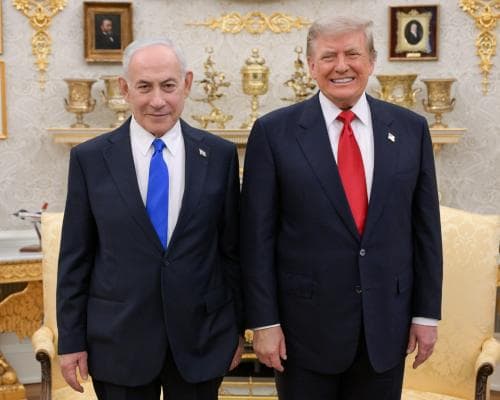
The phone didn't ring in Jerusalem, and that was the message. When Benjamin Netanyahu stood before cameras on Sunday to publicly shred a US-crafted peace plan, he wasn't just rejecting a document—he was torching the unwritten rule that Israeli prime ministers never humiliate an American president. The 15-point proposal, brokered by Trump's Board of Peace, offered a neat trade: Hamas disarms, Israel withdraws fully from Gaza, and a Palestinian National Committee takes over. Netanyahu's answer was a resounding no, delivered with the kind of bluntness that makes diplomats wince.
This is not a policy dispute. It's a power play, and Netanyahu is betting his political survival on it. With elections looming in October and hardliners in his coalition demanding absolute victory, the prime minister has recast himself as the last line of defense against a White House he sees as too eager for a photo-op peace. His rhetoric was surgical: "Israel does not accept the 15-point document. The IDF will not carry out any withdrawal until Hamas is disarmed." Not just heavy weapons—all weapons. He's drawing a line that Washington, for all its leverage, cannot easily cross.
The core clash is sequencing. Trump's plan envisioned a gradual handover, with disarmament happening alongside withdrawal, creating momentum toward a stable Palestinian authority. Netanyahu insists on disarmament first, total and verifiable, before a single soldier moves. That's not a technicality; it's a fundamental difference in how each side defines victory. For Trump, peace is a deal—something to be announced, celebrated, and replayed on social media. For Netanyahu, peace is a security condition, and he's convinced that any withdrawal before Hamas is neutered would be a strategic suicide.
The subtext is even sharper. Netanyahu's remarks weren't aimed at Hamas or even the Palestinian public—they were aimed at Trump. Israel has become the stumbling block in the White House's broader regional agenda, from Gaza to Lebanon to the joint strikes on Iran. By publicly rebuking American pressure, Netanyahu is signaling that he's not a client state, and that his domestic base matters more than Washington's goodwill. It's a risky bet, but one he's made before, and it's working with the Israeli electorate, which increasingly sees him as the only leader willing to say no to the Americans.
This moment exposes a fracture in the "special relationship" that has defined Middle East policy for decades. Trump's approach—brokering deals with bold strokes, often bypassing traditional diplomacy—was always going to clash with Israel's security establishment, which thrives on incrementalism and worst-case planning. The 15-point plan was designed to be a compromise, but Netanyahu has turned it into a loyalty test. The question now is whether Trump blinks, doubles down, or simply moves on to another crisis.
What's at stake is not just Gaza's future but the very architecture of US-Israel relations. If Netanyahu succeeds in forcing Washington to accept his sequencing, he'll have proven that Israeli domestic politics can override American foreign policy. If he fails, he risks isolating Israel at a moment when it faces multiple fronts and a volatile region. Either way, the era of automatic alignment is over. The next few months will reveal whether this is a temporary rift or a permanent realignment—and whether peace in Gaza is a prize worth fighting for, or just another weapon in a political war.
More in INNOVATION