Saudi Arabia’s Red Sea Gambit: A Military Offensive to Unlock $200 Billion in Oil Exports

Imagine being the world’s largest oil exporter, but your most valuable shipping lane is under siege. That’s the reality for Saudi Arabia right now. The Houthis — Iran-backed rebels who control Yemen’s capital and much of its Red Sea coast — have been systematically choking the Bab al-Mandab strait, the narrow chokepoint through which roughly 12% of global seaborne oil passes. And Riyadh has had enough.
Yemeni sources now report that Saudi forces are preparing a major offensive — by sea and possibly by land — aimed squarely at breaking the Houthi stranglehold. This isn’t some distant geopolitical skirmish. This is about the lifeblood of the Saudi economy: oil exports worth over $200 billion annually. When the Houthis announced a blockade against Saudi ships on July 20, they effectively declared war on the kingdom’s wealth engine. The Saudis are now responding with force.
The mechanics are telling. Saudi troops have been seen withdrawing from eastern Yemen — a classic repositioning for a land offensive. At the same time, Riyadh is assembling a naval coalition. The Saudi defense ministry says 14 states — including Turkey, Pakistan, Egypt, Sudan, and Djibouti — have signed a joint statement backing a multinational maritime defense force. They’ve also asked the US and key European powers (Germany, France, the UK, Italy) to join. The EU already has a mission, Aspides, patrolling those waters. But the Houthis aren’t bluffing: on July 25, they claimed to have hit “sensitive” oil transport sites inside Saudi Arabia, linking the eastern province oilfields to a Red Sea export hub. That’s a direct shot at the kingdom’s pipeline to global markets.
For the ultra-wealthy — sovereign wealth funds, family offices, energy tycoons — this is a heritage play. The Red Sea route is not just a trade artery; it’s the crown jewel of Saudi logistics. If it’s closed to Saudi shipping, the kingdom loses its fastest path to refineries in Europe and Asia. The Houthis deny they want to impose tolls on all ships, but their blockade is selective — aimed squarely at Saudi vessels. They say they’ll lift it only when Saudi Arabia lifts its blockade on Yemen. That’s a political standoff with massive economic consequences.
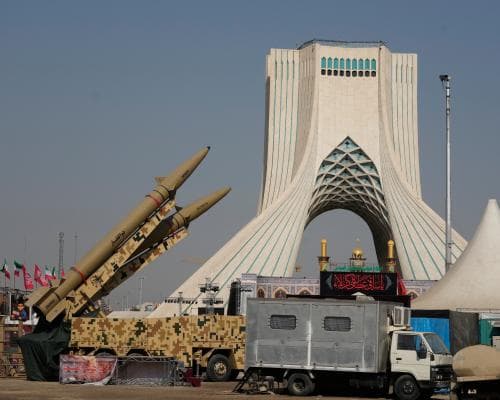
What does this signal for markets? First, energy traders should brace for volatility. Any sustained disruption to Saudi Red Sea exports could spike oil prices by 5-10% overnight. Second, investors in Saudi infrastructure — from NEOM to the Red Sea tourism projects — should watch closely. A military offensive risks regional instability, but it also signals Riyadh’s willingness to expend capital and force to protect its core asset. Third, the coalition-building shows Saudi Arabia is leaning on its diplomatic heft to de-risk the situation. But the Houthis are playing a long game, backed by Iran’s ballistic missiles and drone tech.
Looking ahead, the smart money is hedging. The wealthy are quietly diversifying logistics — eyeing alternative routes like the East-West pipeline across Saudi Arabia or boosting storage capacity in Fujairah. The kingdom itself is investing heavily in naval defense. But the real question is whether this offensive will be a surgical strike or a protracted ground war. If it’s the latter, Saudi Arabia’s $700 billion sovereign wealth fund — the Public Investment Fund — could face pressure to divert cash from Vision 2030 projects into military spending. For now, the Red Sea remains a powder keg. And the world’s richest petrostate is lighting the fuse.