The Sizewell Wildfire: A New Risk Premium for UK Infrastructure Investors
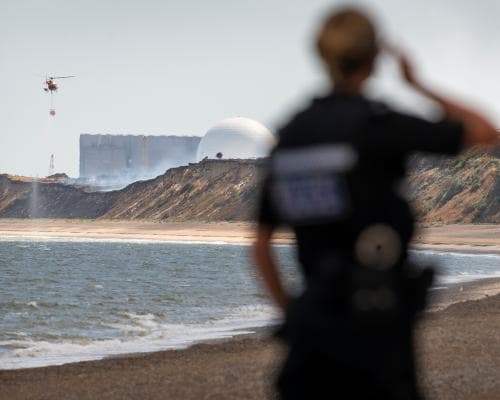
Imagine a nuclear power station ringed by flames. That’s the scene this week on the Suffolk coast, where a wildfire described as 'apocalyptic' spread across more than 200 acres, forcing hundreds to evacuate and threatening the Sizewell B plant. The fire, still not fully under control as of Thursday, was a stark reminder that the climate crisis is no longer a distant forecast—it’s a live risk on the balance sheet.
For investors who track where the world’s smartest capital is deployed, this isn’t just a local emergency. It’s a data point. The Sizewell B station, a pressurised water reactor that supplies about 3% of the UK’s electricity, sits just a few miles from the flames. While the plant itself wasn’t directly hit, the evacuation order and the major incident declaration signal something deeper: the cost of protecting critical assets is about to climb.
Let’s talk numbers. The UK fire service has responded to 393 wildfires in July alone—the busiest month on record. This isn’t a one-off. It’s a structural shift. As the climate crisis supercharges 'whiplash' weather—wet springs that grow vegetation, then bone-dry summers that turn it into tinder—the fuel for these fires is abundant. The Sizewell fire came a day after half of England was officially declared in drought. Wales followed suit on Thursday. The pattern is clear: heatwaves are back-to-back, and the fire season is now year-round.
What does this mean for the wealthy and their portfolios? First, look at insurance. Nuclear facilities already carry some of the highest premiums in the energy sector. After this event, underwriters will reprice risk for any infrastructure located near dry, fire-prone landscapes. That could mean higher operating costs for EDF Energy, the French state-owned operator of Sizewell B, and for any investor holding bonds or equity in UK energy assets. Second, think about the Sizewell C project—the proposed twin reactor that’s been in planning for years. This wildfire adds a fresh layer of regulatory scrutiny and public opposition. Delays mean capital stuck in limbo, and that’s poison for returns.
But the signal goes beyond nuclear. This fire is a microcosm of a macro trend. Across Europe, wildfires are becoming a recurring feature of the risk landscape. France’s Bordeaux fires continue to smoulder. Spain is battling blazes. And now the UK, a country not historically known for wildfires, is seeing them near critical infrastructure. For wealth builders who allocate to real assets—energy, transport, data centres—this is a wake-up call. The 'risk premium' on infrastructure is no longer just about regulation or interest rates. It’s about climate resilience. Assets in drought-prone regions will face higher maintenance costs, more frequent shutdowns, and greater insurance deductibles.
Phil Garrigan, chair of the National Fire Chiefs Council, put it bluntly: 'Wildfires are no longer isolated or seasonal events. They are becoming a recurring and growing feature of the risks facing our communities and emergency services.' That’s not just a public safety message. It’s an investment thesis. The fire crews battling the Suffolk blaze are stretched thin. The resources required to protect property and life are growing. And those costs will eventually flow through to taxpayers, ratepayers, and shareholders.
For now, the Sizewell fire is contained enough that the plant remains safe. But the market’s memory is long. Investors who ignore this signal are betting that the next fire won’t be closer, bigger, or more destructive. That’s a bet I wouldn’t take. The smart capital is already pricing in a new normal: one where every infrastructure asset carries a climate-risk line item. The question is whether your portfolio is hedged for it.
More in MONEY