Andy Burnham’s Coronation: What Labour’s One-Sided Race Tells Us About Political Capital
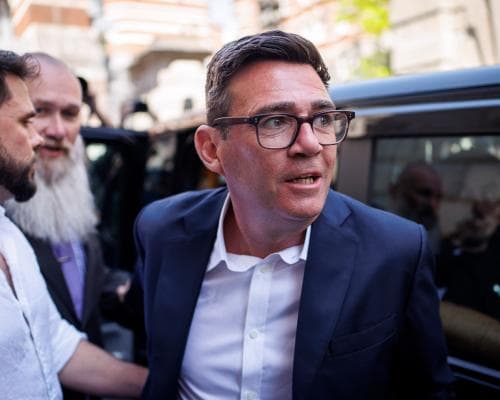
Imagine betting on a horse that doesn’t have to run. That’s the situation Labour is engineering for Andy Burnham, the frontrunner to become the party’s next leader. The plan is a coronation, not a contest. And it’s making some of the party’s own members furious. For anyone who watches how political capital is built—and how quickly it can evaporate—this is a fascinating case study in the dangers of a one-sided race.
Labour chiefs are preparing to install Burnham as leader at a special conference on 17 July, with no serious challenger expected to clear the 81-MP nomination threshold. The party has even considered booking Everton FC’s ground for the announcement, a nod to Burnham’s lifelong fandom. But insiders worry that hiring the venue before nominations even open—a week earlier, on 9 July—looks presumptuous. It’s a bit like a CEO announcing a bonus before the board has voted. The optics are bad, and the members are noticing.
The mechanics of this non-contest are revealing. Instead of the usual hustings, where candidates crisscross the country to win over members and trade unions, the party plans to host online Q&A events. That’s a cost-saving move, sure, but it’s also a way to limit dissent. The problem? Members and unions are angry. They feel sidelined. Trade unions, which normally nominate candidates during a contest, are demanding a formal endorsement window before Burnham is crowned. Labour has had to “tweak” its rulebook to allow that. It’s a small concession, but it underscores the tension: the party is trying to balance efficiency with democracy, and the scales are tipping hard toward efficiency.
For the wealthy and the markets, this isn’t just internal party drama. It’s a signal about how power is concentrated—and how fragile that power can be. A leader without a contested mandate enters office with a thinner veneer of legitimacy. That matters when you’re trying to push through policy that affects capital, whether it’s tax reform, infrastructure spending, or regulatory changes. Burnham may have the backing of hundreds of MPs, but if the grassroots feel disenfranchised, that discontent can fester. Think of it as a discount on political capital: you get the title, but the currency is worth less.
What does this mean for investors? First, watch the unions. They are the institutional investors of the Labour ecosystem. If they withhold endorsements or signal unease, it weakens Burnham’s ability to claim a unified mandate. Second, consider the precedent. A coronation-style leadership race reduces the party’s internal debate, which can lead to policy surprises down the line. Markets hate surprises. A leader who hasn’t been tested in a public contest may be more prone to missteps, or less willing to pivot when the economic winds shift.
Burnham’s ascension is all but certain. But the real story is what happens after the crown is placed. Will he govern with the confidence of a leader who earned his stripes, or will he be haunted by the ghost of a race that never happened? For now, the smart money is on stability—but with a watchful eye on the party’s internal temperature. In politics, as in markets, the easiest path to power is rarely the most durable.