The Protein Boom Is About to Make Baby Formula a Luxury Good
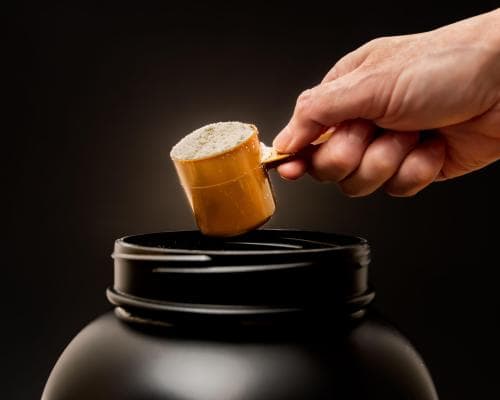
It started with gym bros and biohackers. Now it's hitting the nursery. The same whey protein that fuels a thousand post-workout shakes is a critical ingredient in infant formula, where it mimics human breast milk. And as 'proteinmaxxing'—the internet-fueled obsession with cramming as much protein into every meal as possible—goes mainstream, the price of that ingredient has more than doubled in a year. That means the most vulnerable consumers in the economy are about to feel the ripple effect of a trend they never signed up for.
The numbers are stark. Expana, a global market intelligence platform, tracks whey protein concentrate 80—the gold-standard powder with 80% pure protein. In July 2025, a metric tonne cost €11,733. By early 2026, it had jumped to €25,875. That's a 120% spike in roughly six months. The driver? A perfect storm of fitness culture and pharmacology. Health professionals have spent years telling us to eat more protein. Then came the GLP-1 revolution—Ozempic, Wegovy, and their ilk—which suppresses appetite but also eats away at muscle mass. Users are turning to concentrated whey to hold onto their gains while shedding fat. The result is a demand shock that no one in the baby food aisle saw coming.
Infant formula is a tightly regulated product. You can't just swap in a cheaper protein source when whey gets expensive. The composition must match the nutritional profile of human milk as closely as possible, and whey is essential for getting the casein-to-whey ratio right and making the formula digestible for newborns. That means manufacturers are locked into a supply chain that is now hostage to the whims of fitness influencers and weight-loss drug users. And as the Competition and Markets Authority noted in its recent investigation into the UK's infant formula market, producers have a history of passing every input cost increase straight to consumers. The Office for National Statistics already shows the average price of a 750g box of formula rose 4.8% over the past year, to £12.11. That was before this latest whey surge.
Dr Vicky Sibson, director of the First Steps Nutrition Trust, a UK public health charity, puts it bluntly: 'Whey is a major ingredient in infant formula, so significant increases in its price risk increasing the price of formula itself.' She points to the CMA's findings that manufacturers have consistently passed on cost rises, including during the cost-of-living crisis. This is not a hypothetical. It's a pattern. And it's about to repeat, but with a twist: this time, the cost pressure is coming not from energy prices or supply chain snarls, but from a consumer trend that has nothing to do with babies.
This is a story about how global markets and cultural fads collide in unexpected places. The proteinmaxxing movement is a direct descendant of the broader wellness economy—a multi-trillion-dollar ecosystem that includes supplements, fitness apps, and now, weight-loss drugs. The same forces that are making protein shakes a daily ritual for millions are quietly reshaping the economics of infant nutrition. And it's not just whey. Other protein sources, from soy to pea, are also seeing price pressure as manufacturers scramble for alternatives. But none can replace whey's unique functional properties in formula. That makes this a structural issue, not a temporary blip.
What happens next depends on how quickly the market adapts. Some manufacturers are exploring long-term supply contracts or investing in alternative whey sources, including precision fermentation—using microbes to produce whey protein without cows. That's a promising avenue, but it's years away from commercial scale. In the meantime, the burden falls on parents, many of whom are already stretched by inflation and stagnant wages. The UK government has been under pressure to regulate formula prices, but so far, it has only asked manufacturers to justify their pricing. That's not going to stop a global commodity trend.
The deeper issue is that we've built a food system where a fitness fad can outbid a newborn's dinner. It's a reminder that the wellness economy doesn't exist in a vacuum—it has real-world consequences for those who can't opt in. The next time you see a protein bar marketed as 'optimal nutrition', spare a thought for the parent scanning the shelves for the cheapest formula. Their cost of living is going up, one scoop at a time.