The Strait of Hormuz: A New Shipping Route Emerges, and Oil Traders Are Watching
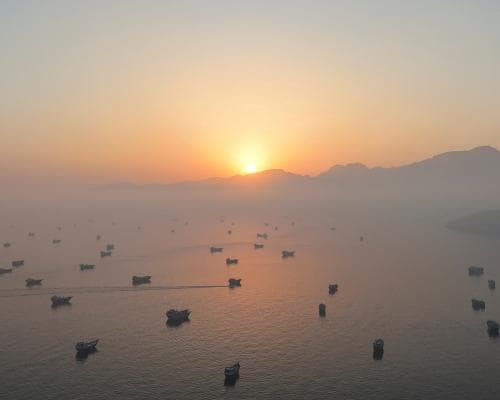
The world's most important oil chokepoint is quietly being redrawn. Iran and Oman, two nations that rarely share a headline with Wall Street, are on the brink of a deal to jointly manage a shipping route through the Strait of Hormuz. Tehran's foreign ministry confirmed Wednesday that the coordinates are agreed, and a draft pact is being finalized. That's not just diplomatic chatter — it's a potential re-routing of roughly 20% of global oil supply, and every barrel that moves through those waters carries a premium priced by fear.
Here's the scale of what's at stake. The Strait of Hormuz is a narrow, 21-mile-wide passage that sees about 17 million barrels of crude pass daily. When Iran threatened to close it earlier this year, the market blinked hard. Now, with Iran and Oman agreeing on a route, the immediate risk of a full closure drops. But the kicker is the condition: Tehran says any reopening depends on the United States ending its naval blockade of Iranian ports. Washington's Central Command has been busy — it has redirected 48 commercial vessels, disabled two, and boarded two as part of its pressure campaign. That's not a blockade in name only; it's a physical chokehold on Iran's maritime trade.
The numbers tell the story. Brent crude futures jumped 81 cents, or 1.02%, to $80.17 a barrel on Wednesday, after Yemen's Houthi rebels, who are aligned with Iran, targeted a Saudi oil tanker in the Red Sea. That's a reminder that the Houthis are still playing their own game, and their naval blockade of Saudi Arabia adds another layer of risk to shipping lanes. The new Hormuz route, if it holds, could ease one bottleneck while another remains firmly shut. For investors, that means the geopolitical premium on oil isn't disappearing — it's just shifting geography.
Who are the players? Iran's foreign ministry spokesperson, Esmaeil Baghei, is the public face, but the real negotiation is happening between Tehran, Muscat, and, behind closed doors, Washington. Two regional officials told the AP that the potential deal is a temporary solution, designed to pave the way for broader talks on Iran's nuclear program. That's the tell: this isn't just about shipping lanes. It's a confidence-building measure, a stepping stone to a bigger diplomatic reset. For the wealthy, that's a signal that the risk of a full-blown military confrontation in the Gulf is being actively managed — but not eliminated.
The heritage angle here is less about art or real estate and more about the legacy of energy infrastructure. The Strait has been a flashpoint for decades, from the Tanker War in the 1980s to the 2019 attacks on Saudi facilities. Every generation of traders has a Hormuz story. This new route, if formalized, would be a historic shift in how the waterway is governed — moving from unilateral threats to joint management. That's a rare example of cooperation in a region where mistrust is the default setting.
What does this mean for markets? The immediate reaction was muted — oil prices only rose modestly, suggesting traders are skeptical that the deal will survive contact with reality. But the direction is clear: any reduction in Hormuz risk is a negative for oil prices, all else equal. That could be a tailwind for airlines, shipping companies, and consumer stocks that suffer when energy costs spike. Conversely, it's a headwind for energy producers who have been enjoying the risk premium. The Houthi attack on the Saudi tanker is a reminder that the Red Sea remains a separate flashpoint, so the risk isn't gone — it's just concentrated elsewhere.
For wealth builders, the takeaway is to watch the next few weeks. If the Iran-Oman deal gets a joint statement, and if Washington signals any flexibility on the blockade, expect oil to slide and risk appetite to improve. But if the deal stalls, or if the Houthis escalate further, the $80 handle on Brent could quickly become $85. The smart money is already positioning for both scenarios. The Strait is narrow, but the implications are wide — and this time, the map may actually change.