Newcastle's New Boss: A Saudi-Backed Bet on the Next Big Thing in Football's Global Wealth Game
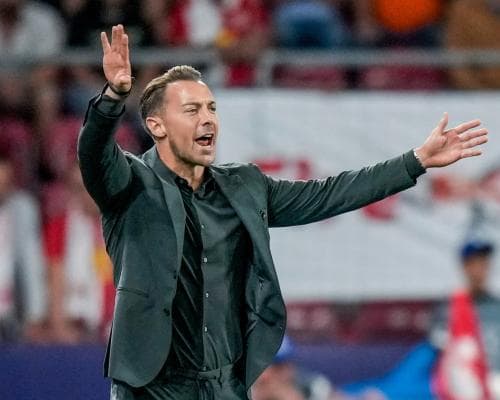
There's a new gaffer in the Toon, and he's not just another clipboard carrier. Matthias Jaissle, the 38-year-old German who won back-to-back Asian Champions Leagues with Al-Ahli, has finally been pried loose from the Saudi Pro League to take the reins at Newcastle United. The paperwork took an eternity—Al-Ahli, you see, wasn't keen to let go of a coach they'd built a dynasty around. But when the Public Investment Fund (PIF) calls twice, you pick up. This isn't just a football story; it's a capital-allocation story.
Let's get the numbers straight. Newcastle, already PIF-owned, just lost a trio of stars: Anthony Gordon, Sandro Tonali, and now Bruno Guimarães, who's Arsenal-bound. That's a fire sale of roughly £150 million in player value, if you're keeping score at home. Yet here's the kicker: the club is betting that Jaissle—a man who's never managed in a top-five European league—can do more with less. It's a classic distressed-asset play, but with a twist: the PIF isn't selling Newcastle; they're doubling down on the coach, the project, and the promise of Champions League glory as the ultimate return.
The mechanics are pure sovereign-wealth logic. Jaissle's release from Al-Ahli required the PIF to sign off on both sides of the table—a rare moment of intra-portfolio negotiation. The German's stock was high after his Salzburg stint, where he churned out pressing-machine football and sold players for massive profits. Now he's tasked with rebuilding a squad that's been stripped of its creative core. His mandate? Restore 'intensity is our identity'—the Howe-era motto—while selling a vision of togetherness and hard work. That's not just football talk; it's a management philosophy for a club that's now a global brand, not a regional one.
Here's the heritage angle that matters for wealth builders: Jaissle is the latest in a line of young, hungry coaches—think Nagelsmann, Arteta, even Slot—who get hired not for their CVs but for their systems. The PIF's playbook is clear: buy undervalued managerial talent, give them a platform, and let the asset appreciate. Jaissle's two ACL titles with Al-Ahli are no small feat—that's the Asian equivalent of winning the Europa League twice, and it's proof he can handle pressure and deliver trophies. The club's 'vision' talk is PR, but the underlying strategy is pure alpha: bet on the manager, not the marquee names.
For markets, this is a signal that Saudi capital isn't retreating from football—it's refining its approach. The PIF's $600 billion+ war chest has already reshaped the Premier League, and now they're showing they can pivot from splashy signings to systemic coaching changes. Newcastle's summer sales are a liquidity move, freeing up funds to comply with financial fair play while resetting the squad's wage structure. That's the kind of disciplined capital management you'd expect from a sovereign fund, not a sugar-daddy owner. The lesson for the wealthy? In sports, as in markets, you don't win by buying the most expensive asset; you win by buying the right asset at the right price.
What's next? The season starts in a fortnight, and Jaissle's first test is immediate. If he can gel a new-look squad and push for a top-six finish, Newcastle's valuation—already north of £500 million—could surge. If he stumbles, the PIF's patience is famously thin, but their pockets are deep. Either way, this is a bet on leadership, not just talent. For the rest of us, it's a reminder that the smartest capital is patient, strategic, and always looking for the next edge—even if it comes with a German accent and a clipboard.