The Last MetroCard Machines Are Up for Auction — and They're a Surprising Collectible
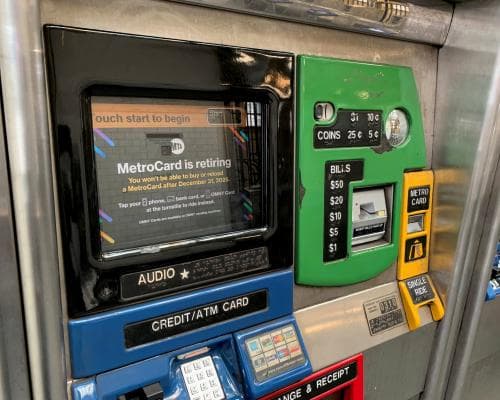
If you've ever stood in a sweltering subway station, fumbling for cash while a MetroCard machine beeped impatiently, here's your chance to own the source of that frustration. The MTA has put its last 60 MetroCard vending machines up for auction — a move that transforms a piece of everyday urban grit into a heavyweight conversation starter. One of them even weighs over 1,000 pounds, so clear out the garage.
The auction opened Wednesday and runs through August 19, with bids starting at just $100 for the smaller Express machines and $200 for the full-size units. The MTA is selling them "as-is," stripped of their electronic and payment components — so they're not going to work, but they'll look fantastic in a loft or a man cave. Joana Flores, the MTA's media liaison, confirmed these are the very last of the breed. The only remaining public-facing machine, in Greenwich Village's Mulry Square, now sports a QR code directing curious riders to the auction page.
Here's the scale of the thing: the full-size MetroCard Vending Machines, first installed in 1999, measure 80 inches long, 42 inches wide, and 36 inches deep, and weigh a jaw-dropping 1,050 pounds. The Express Machines, introduced later to ease congestion by accepting only credit and debit cards, are more modest — 21 inches by 14 inches by 42 inches, and about 210 pounds. But these aren't just hunks of metal. They're relics of a system that moved millions of people daily for over two decades, and they're being auctioned off as the MTA fully commits to OMNY, the tap-and-go fare system that's been rolling out since 2019.
For collectors, this is a rare chance to grab a piece of New York's physical history — the kind of thing that ends up in a museum or a billionaire's private bar. The machines have that retro-futuristic charm, all bright colors and blocky buttons, and they're instantly recognizable to anyone who's ever ridden the subway. The MTA has sold off other surplus items before, but this is the first time it's letting go of the very last units. Bidders will need to pay in full on notification day, and they'll have to arrange their own pickup — good luck with the moving van.
From a market perspective, this auction is a microcosm of a larger trend: the monetization of public infrastructure as it's replaced by newer tech. The MTA isn't just discarding its old machines; it's turning them into a revenue stream, however modest. For the wealthy, the appeal isn't financial — it's cultural. These machines are conversation pieces, investments in nostalgia that could appreciate as they become rarer. Think of it as the transit equivalent of buying a vintage stock ticker or a phone booth.
What does this signal for markets? It's a reminder that value isn't always in traditional assets. As cities modernize, the old equipment becomes collectible, and savvy investors know to look for these opportunities before they hit the mainstream. The auction also highlights the broader shift to digital payments — OMNY is faster, more efficient, and less costly to maintain, which is why the MTA is eager to move on. But for those who remember the satisfying clunk of a MetroCard being swiped, this is a chance to hold onto a piece of the past.
So if you've got $200 to spare and a strong floor, this might be the most unusual investment you'll ever make. The machines won't work, but they'll always have a story — and in the world of collectibles, that's often worth more than the metal itself. The auction ends August 19, so bid fast, or watch this piece of New York history disappear forever.