The Geometry of Desire: Why the Ultra-Wealthy Are Investing in Throuples
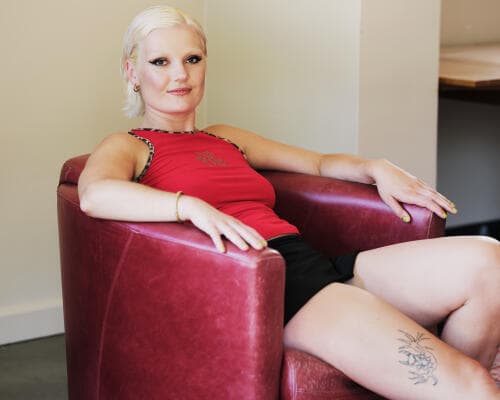
Priscilla was in the back seat again. Strapped in beside car seats and scattered toys, she watched her fiancée Kiara kiss their shared girlfriend Olivia in the front of the family SUV. Ten minutes passed. The kiss didn’t stop. She couldn’t reach out—her seatbelt held her back, and unbuckling felt like an intrusion. In that moment, the geometry of desire shifted. She was no longer the center of her own love story. She was the audience.
This is the hidden cost of the throuple—a romantic unit of three that is quietly becoming the ultimate relationship status symbol among the ultra-wealthy. Not because it’s cheap. It’s not. A throuple demands emotional equity, time, and a level of logistical sophistication that would make a private aviation coordinator blush. Think of it as the three-body problem of intimacy: every move affects the others, and stability is rare. But for those who can afford the emotional overhead, the payoff is exclusivity squared.
Priscilla and Kiara had been together for eight years before they invited Olivia—an old friend, already trusted by their children—into their fold. In the early days, the trio walked to the beach at sunset, holding hands in a chain. They formed a cuddle pile at night: Priscilla wrapped around Olivia, Olivia wrapped around Kiara. It felt like a secret society of three, a private membership club with no outsiders. But then the real emotions arrived. Lust matured into love. And love, as any collector knows, is the most volatile asset.
“The thing about throuples,” Priscilla says now, “is that when real emotions get involved, things get more complicated.” That complication is the premium you pay for access to something rare. In a world where the wealthy already own multiple homes, multiple cars, and multiple portfolios, the next frontier is multiple partners—legally bound, emotionally entangled, and socially audacious. In 2017, three men in Colombia became the first throuple to form a legal union. Activists in cities like Seattle are now pushing for legal recognition. The infrastructure is being built.
What does this signal about taste and wealth? It signals a rejection of the binary. The one-percent has always been about owning what others cannot—time, privacy, rarity. A throuple is the ultimate hedge against boredom. It demands high emotional liquidity and a tolerance for asymmetry. Priscilla felt competitive when she saw Kiara and Olivia kiss too long. She worried: “Am I desired less than her? Will I be replaced?” That flicker of jealousy is the price of admission. The ultra-wealthy know that anything worth having comes with a cost. Here, the cost is vulnerability.
Yet the market is growing. In Britain, 9% of adults are open to polyamory. Anecdotally, throuples are on the rise. The author Lindy West now lives with her husband and his former mistress in a 100-year-old log cabin in the woods outside Seattle. That cabin is a metaphor: rustic on the outside, radically modern within. For those who can navigate the emotional architecture, the reward is a life that defies the conventional—a portfolio of love that is diversified, dynamic, and deeply personal.
Priscilla’s throuple eventually fractured. The back-seat moment was the first crack. But the experiment itself was a kind of luxury: the luxury of trying something most people never dare to name. For the ultra-wealthy, the question is no longer “Can I afford this?” It’s “Can I survive the volatility?” The answer, for now, is a quiet, complicated yes—from the back seat of a car full of baby toys, watching love unfold in the front.
The Experience
For those intrigued by the architecture of non-monogamy, consider a private consultation with a relationship strategist who specializes in high-net-worth polyamorous structures. Discretion assured.