Why the Glasgow 2026 Commonwealth Games Could Be the Cheapest Deal in Sports — And the Smartest
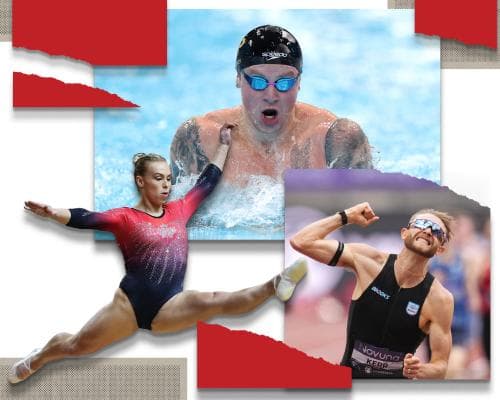
Adam Peaty is back where it all began, but the real story in Glasgow 2026 isn't just a swimmer chasing redemption. It's a financial experiment that could rewrite the economics of international sports. After Victoria, Australia, pulled out over ballooning costs, the Commonwealth Games found itself staring into an existential abyss. The solution? Strip everything down. No new stadiums. No sprawling athlete villages. Just existing venues, a tight travel footprint, and a budget that makes the Olympics look like a sovereign wealth fund splurge.
This isn't a feel-good footnote. It's a capital event. The Commonwealth Games Federation is betting that smaller, cheaper, and smarter can outrun the legacy of white elephants that have haunted host cities from Athens to Rio. The price tag? Early estimates suggest Glasgow 2026 will cost a fraction of the $7 billion or more typically associated with a multi-sport Games. For context, the 2014 Glasgow Games ran about £543 million — already lean by global standards. The 2026 version aims to go even lighter, relying entirely on existing infrastructure and a compressed schedule.
The mechanics are brutally simple. Instead of chasing scale, the organizers are embracing constraint. They're using only venues already built in and around Glasgow — the Tollcross International Swimming Centre, the Emirates Arena, Scotstoun Stadium. No new construction, no massive debt issuance. Travel between sites is minimized. The athlete village? Existing hotels and university accommodations. This is event management as a lean startup, not a government-backed megaproject.
For the wealthy and their advisors, this is a signal worth watching. Mega-events have long been vehicles for prestige spending — think Qatar's $220 billion World Cup or Tokyo's $15.4 billion Olympics. Those are capital sinks with questionable returns. Glasgow 2026 offers a counter-narrative: that a world-class event can generate economic lift without the hangover of stranded assets. The model could influence how private equity and family offices evaluate sports infrastructure investments. If Glasgow succeeds, expect more cities to demand similar terms — and fewer blank checks for stadium subsidies.
The heritage angle matters too. The return of the Commonwealth Mile — a non-metric distance that hasn't been run at the Games since 1966 — is a nod to tradition, but it's also a marketing masterstroke. It creates a unique narrative asset that can't be replicated. For sponsors and broadcasters, that scarcity is valuable. Josh Kerr, Scotland's own world record-holder, is the favorite. His presence gives local audiences a hero to rally behind, which drives ticket sales and TV ratings. That's real economic fungibility.
What does this signal for markets? In a world of rising interest rates and tighter municipal budgets, the Glasgow model could become the template for future bids. The Commonwealth Games Federation is calling it "a bridge to a new era." For investors, that bridge looks like a path to lower-risk event financing. No construction overruns. No debt bombs. Just operational excellence and existing assets. That's a deal structure that could attract private capital — and keep taxpayers off the hook.
The forward-looking close is this: Glasgow 2026 isn't just a sporting event. It's a proof of concept. If it works, expect a wave of copycat bids from midsize cities — Edinburgh, Cardiff, Belfast, maybe even a U.S. city like Birmingham, Alabama, which has the venues but not the appetite for a $10 billion bill. The smart money will be watching the ticket sales, the broadcast rights, and the local economic multipliers. The real prize isn't a gold medal. It's a sustainable model for how to throw a global party without going broke.