The Saudi Nuclear Trade-Off: Why the Abraham Accords Just Got a Price Tag
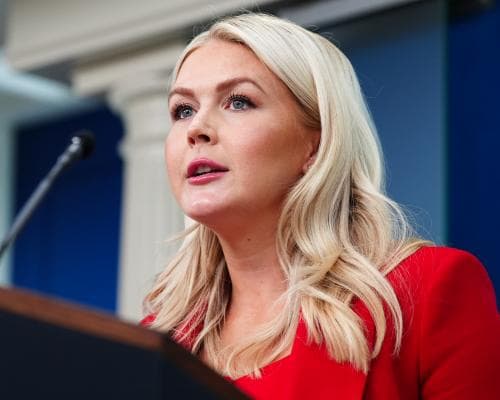
Imagine sitting across from the world's most valuable oil concession, and the U.S. president tells you the only way to get the keys to a peaceful atom is to first shake hands with your regional rival. That's the blunt calculus the White House just laid out for Saudi Arabia's Crown Prince Mohammed bin Salman. Press secretary Karoline Leavitt made it crystal clear: if Riyadh won't join the Abraham Accords, the civilian nuclear cooperation deal — the one that would let the Saudis enrich uranium under American supervision — 'is off.'
This isn't just diplomatic theater. It's a wealth event hiding in plain sight. The Abraham Accords, first brokered by the Trump administration in 2020, turned the UAE and Bahrain into financial bridges with Israel — opening trade corridors, defense tech transfers, and joint investment funds. Saudi Arabia, the Gulf's heavyweight, has stayed on the sidelines. Now the White House is using the nuclear carrot to pull them in. For anyone managing capital in the Middle East, this is the kind of signal that reshapes portfolios.
The mechanics are elegant in their brutality. Saudi Arabia wants a civilian nuclear program — not just for desalination and power, but for strategic autonomy. They've got the uranium ore, the cash, and the ambition. But the U.S. holds the enrichment technology and the regulatory blessing. Without Washington's nod, Riyadh would have to turn to China or Russia for nuclear know-how — a move that would spook every Western pension fund invested in Saudi sovereign debt. So the White House is leveraging that dependency. Normalize with Israel, get your nuclear plant. Refuse, and you're stuck with oil volatility and Chinese reactors.
The numbers here are staggering. Saudi Arabia's Public Investment Fund manages over $700 billion. A full normalization deal could unlock tens of billions in cross-border tech and defense deals with Israel, plus a surge in tourism and real estate along the Red Sea. The nuclear component alone is valued at north of $100 billion over its lifecycle — construction, fuel, maintenance. But the price of admission is political: Riyadh must formally recognize Israel and join the Accords. That's a heavy lift for a kingdom whose legitimacy rests partly on its role as custodian of Islam's holiest sites.
For markets, this is a binary bet. If the deal goes through, expect a rally in Saudi equities, Israeli defense contractors, and Gulf real estate investment trusts. The risk premium on Saudi bonds would compress, and oil prices might soften as geopolitical tensions ease. If it collapses, the opposite happens: a flight to safety, a spike in volatility for energy stocks, and a renewed premium on gold and the dollar. The White House's hard deadline — tied to the August recess and the Save America Act — means this isn't a slow burn. It's a sprint.
What does this mean for the wealthy? If you hold Saudi sovereign debt or Gulf infrastructure funds, you're effectively betting on MBS's willingness to swallow a political bitter pill. If you're in Israeli tech, you're hoping for a new wave of Gulf capital inflows. And if you're in uranium or nuclear energy plays, you're watching the most important regulatory decision of the decade. The smartest capital is already repositioning: hedge funds are increasing their options positions on Saudi ETFs, while private equity scouts are circling Israeli-Arab joint ventures.
The bottom line: this is a classic wealth-defining moment where geopolitics meets portfolio construction. The White House has drawn its line in the sand. The question for investors is whether Saudi Arabia will cross it — and whether you're positioned for the fallout either way.