The 100% British Chocolate Bar: A Taste of Royal History, Reborn
Imagine a chocolate bar so exclusive that only one person in history has ever tasted it. A bar made entirely from British soil, from bean to bar, with no imported ingredients. That person was a six-year-old princess in 1932, the future Queen Elizabeth II, gifted a confection by Rowntree’s, crafted from a cocoa plant raised in a Yorkshire glasshouse. For nearly a century, that experience remained a singular, royal secret. Until now.
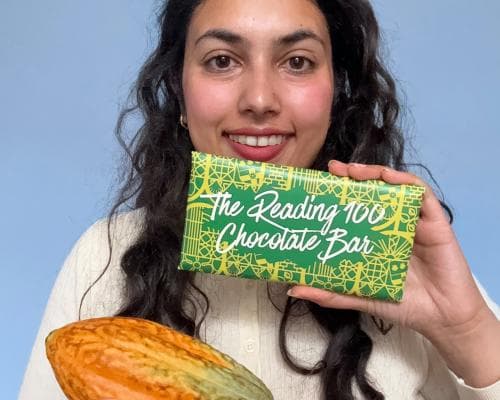
This year, the University of Reading has done the impossible: they’ve grown, harvested, and crafted a chocolate bar using 100% British cocoa beans—right on their Berkshire campus. The bar is a celebration of the university’s centenary, but it’s far more than a novelty. It’s a masterclass in provenance, a testament to the fragility of our global food system, and a delicious piece of edible history. The mastermind behind this feat is Maha Khan, a master’s student who took on the entire process—from pod to bean to bar—without ever leaving Reading. She fermented, dried, and roasted the beans in the university’s food science department, producing a limited run of just six bars.
The result? A chocolate with a “very rich flavour,” as Khan describes, and a complexity that comes from over 300 varieties of cocoa plants in the university’s collection. The raw cacao beans, she notes, are coated in a white flesh that tastes like lychee—a sensory revelation few in this country have ever experienced. This is not your average supermarket slab; it’s a connoisseur’s dream, a single-origin bar with a story that spans a century and a monarchy.
But what makes this bar truly priceless is its rarity. Only six exist. The cocoa pod takes six months to grow, and production is limited by the availability of beans. This is the ultimate status symbol for the ultra-wealthy—not a yacht or a penthouse, but a taste of history that money alone cannot buy. It’s the kind of item that would make a collector’s eyes widen, a conversation piece at a dinner party in Belgravia or a private club in Mayfair. The fact that the late Queen was the only person to have ever tasted such a bar elevates it to the realm of royal relics.
This bar also signals a shift in luxury taste. The wealthy are increasingly seeking provenance and sustainability, and this chocolate embodies both. It highlights the precarious nature of our food supplies—cocoa plants are sensitive to temperature and rainfall, and climate change is already devastating crops in West Africa, where most of the world’s cocoa is grown. The University of Reading’s International Cocoa Quarantine Centre, which handles 97% of the world’s international movement of cocoa plants, is a guardian of biodiversity. The bar is a delicious argument for protecting these varieties, which could hold the key to future-proofing chocolate against a warming planet.
As chocolate prices soar due to climate-driven crop failures, this British bar is a bold statement: luxury and resilience can coexist. Khan hopes to give one of the six bars to the Princess of Wales, continuing the royal connection. For the rest of us, it remains a tantalizing dream—a taste of what’s possible when science, heritage, and a touch of audacity come together.
For now, this bar is a collector’s item, a symbol of a future where luxury is defined not by excess, but by authenticity and rarity. The question is: who will be the next person in history to taste it?
The Experience
To experience this once-in-a-lifetime chocolate, join the University of Reading’s mailing list for updates on future limited releases, or visit their centenary celebrations to see the cocoa collection firsthand.