The Price of a Pint: Inside the £100 Million Game of High-Stakes Hospitality
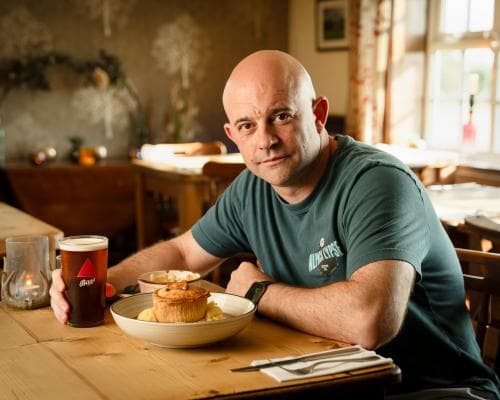
Imagine this: you’re sitting in the Red Lion, a stone’s throw from the rolling Derbyshire hills. A steak and ale pie arrives, steam rising, chips crisp, cauliflower cheese glistening. You wash it down with a pint of Bass. The tab: £20.50. The pub’s profit from that entire transaction? A mere £2.97. That’s not a typo. It’s a masterclass in how the ultra-wealthy understand value versus price—and why a new political promise of £100 million in business rate cuts is, for the owners who keep these cathedrals of comfort alive, barely a whisper in a hurricane.
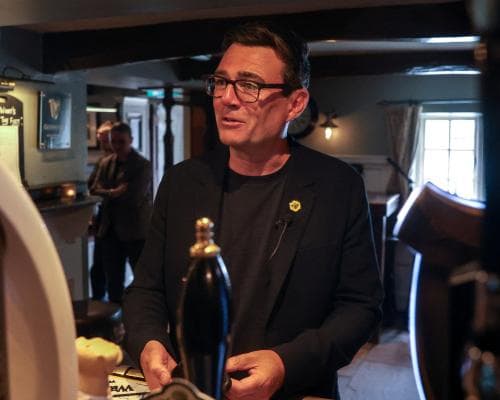
Andy Burnham’s first major policy as prime minister—a 20% reduction in business rates for pubs, clubs, and live music venues—sounds like a lifeline. It’s not. For a typical hospitality business turning over £1 million a year, the profit after tax is just £13,500. That’s a margin so thin it would make a Swiss watchmaker wince. The rates cut saves that business roughly £1,000 annually. Meanwhile, VAT alone on that pie and pint swallows £3.42. Staff costs: £3.88. Employer’s taxes: £0.74. The rates themselves? A laughable £0.16. As Dan Smith, the Red Lion’s owner, puts it: “It’s a small snippet.” He’s being polite. For those who own multiple properties or run private members’ clubs, the math is brutal—and the real currency is survival, not subsidy.
Craftsmanship is the only hedge against this arithmetic. Smith’s pub sells 300 pies a week, sourced from a local farmer’s potatoes and a brewery’s bespoke ale. The heritage is tactile: 15 types of pie, 15 gravies, a menu that feels like a family heirloom. But even this devotion to terroir can’t outrun the cost of compliance. The business rates system has been tweaked so many times—property revaluations, relief changes—that Smith’s bill has oscillated like a stock ticker. “They’ve made it 10 times more complicated than it needed to be,” he says. For the discerning patron, the lesson is clear: the price on the menu is not a number; it’s a novel. Every sip of that Bass pays for a regulator, a revaluation, a politician’s promise.
What does this signal about wealth and taste in 2025? That the true luxury isn’t the gilded interior or the rare vintage—it’s the margin. The ability to run a venue where profit isn’t an afterthought is the new status symbol. The ultra-wealthy understand that a pub like the Red Lion isn’t a business; it’s a stewardship. The £100 million giveaway is a political gesture, not an economic salve. The real play is in cutting VAT from 20% to 10%, a move Burnham supported as mayor but now seems to have shelved. That would cost the Treasury £10 billion—but it would also turn a £2.97 profit into something that could actually fund a new kitchen, a better wine list, or a private dining room for the kind of clientele who don’t ask the price.
Look ahead. The pubs that survive won’t be the ones waiting for a government cheque. They’ll be the ones that pivot to exclusivity: private membership, curated tasting menus, partnerships with luxury distilleries. The Red Lion’s model—honest, local, beloved—is a treasure, but it’s a fragile one. For the investor or collector who sees hospitality as an asset class, the lesson is brutal: buy the story, not the spreadsheet. Because when a £20.50 pie yields less than three pounds in profit, the only thing that keeps the lights on is a clientele that values the experience over the expense. And that, dear reader, is the most exclusive currency of all.
The Experience
Book a private table at the Red Lion for a bespoke pie tasting with the owner, or arrange a consultation with Packed House to audit your own hospitality portfolio’s hidden costs.
More in BUSINESS