The Billionaire’s Bet on Britain’s Gas: Why a £2 Billion Storage Gamble Could Redefine Energy Security
Imagine this: You’ve just finished a winter weekend at your Cotswolds estate. The fire is roaring. The vintage champagne is chilled. But outside, a bitter cold snap grips the country. And then, the lights flicker. Not because of a storm, but because Britain’s largest gas storage facility—a massive offshore balloon called Rough—has gone silent. That’s the scenario that keeps energy chiefs awake at night. And for the ultra-wealthy, who value control over their environment above almost anything else, it’s a reminder that even the best-hedged portfolio can’t insulate you from a grid that runs on thin air.
The story behind this is both technical and deeply human. Centrica, the parent company of British Gas, owns Rough: a depleted gas field off the Yorkshire coast that can hold enough gas to heat millions of homes. But its economics are brutal. Buying gas cheap in summer and selling it high in winter—the classic storage play—no longer yields reliable profits. Last year, Rough lost nearly as much money as it made the year before. So Centrica’s CEO, Chris O’Shea, has drawn a line in the sand. Unless the government backs a £2 billion expansion with a long-term support deal, he’ll close the facility next April. He’s already stopped injecting gas for this winter. The clock is ticking.
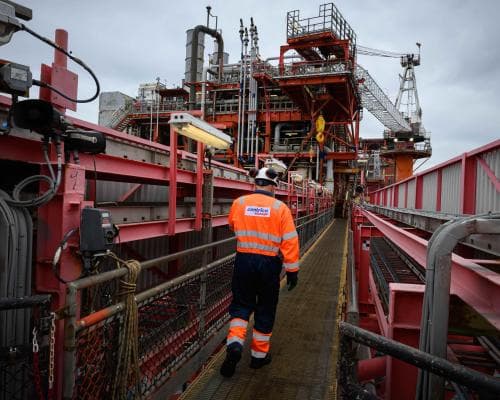
Here’s where it gets fascinating for anyone who appreciates craftsmanship, rarity, and heritage. Rough isn’t just a storage tank; it’s a geological artifact. Originally a natural gas reservoir, it was converted in the 1980s into a storage cavern—a “big balloon with a small straw,” as gas insiders call it. That means it can hold vast volumes, but extracting it fast is tricky. The proposed £2 billion investment would re-engineer that straw, turning a clunky relic into a precision instrument. Think of it as the difference between a vintage steam engine and a modern hypercar. The heritage is there—the infrastructure is decades old—but the upgrade would make it a bespoke, high-performance asset. That’s the kind of transformation that appeals to collectors who appreciate a rare watch or a limited-edition yacht.
What does this signal about wealth, taste, and the luxury market? Simple: true exclusivity now includes energy independence. The ultra-wealthy have long invested in private jets, offshore accounts, and secure compounds. But the next frontier is control over the basics—power, heat, and data. If Britain’s grid wobbles in 2030, as government reports warn, the rich will pay a premium for certainty. That could mean private micro-grids, bespoke LNG import terminals, or even backing projects like Rough themselves. The message is clear: in a world of geopolitical shocks and climate volatility, the ultimate status symbol isn’t a car or a watch. It’s the ability to keep the lights on when everyone else is in the dark.
Looking ahead, the decision on Rough is a litmus test for the luxury market’s relationship with infrastructure. If the government caves and guarantees Centrica’s returns, expect a wave of similar deals—private-public partnerships that turn energy into a high-end service. If Rough closes, the rich will scramble for alternatives: salt-cavern storage, expanded interconnectors, or even their own gas fields. Either way, the lesson is the same. For those who can afford it, energy security is becoming the new black. And the smart money is already placing its bets.
The Experience
For those who value absolute energy independence, consider a private consultation with a bespoke energy advisor who specializes in off-grid luxury estates and micro-grid solutions. Access is the ultimate currency.
More in BUSINESS