The £1,100 Tax Break That Could Save the British Pub — and Redefine High-Street Status
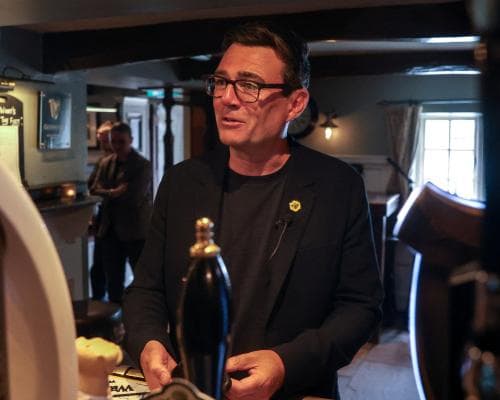
Imagine this: you are in a dimly lit Mayfair club, a single malt in hand, the bassline so low you feel it in your bones. The room is full of people who own buildings, not just rent them. Now imagine that same room — the heart of a city’s cultural wealth — facing a tax bill so heavy it threatens to close its doors forever. That is the story behind a quiet but seismic shift in British tax policy. Andy Burnham, the new prime minister, has just handed pubs, clubs, and live music venues a 20% cut in business rates. It sounds like a footnote in a budget speech. But for the ultra-wealthy who collect rare experiences the way others collect art, it is a signal that the government is finally betting on the places where real taste happens.
The numbers are deceptively small. The cut will cost about £100 million a year. That is pocket change for a sovereign wealth fund, but for a typical pub, it means an annual saving of roughly £1,100. More than 32,000 businesses qualify. Yet here is the twist: the largest live music venues are excluded. The details, we are told, will come in the autumn Budget. Michael Kill, chief executive of the Night Time Industries Association, welcomed the “meaningful relief” but pressed for clarity on which venues would be left out. Kate Nicholls of UK Hospitality called it a “positive down payment” but noted that restaurants, cafes, and hotels — the backbone of the high street — were left behind. In other words, this is a targeted tax break for the places where people gather to drink, dance, and listen. It is a bet on atmosphere over square footage.
Craftsmanship and heritage are the invisible assets here. A pub in a Georgian townhouse, a club in a Victorian ballroom, a live music venue in a converted warehouse — these are not just businesses. They are physical archives of social history. The tax relief is a recognition that the value of a pub is not just in the beer it sells, but in the 200-year-old oak bar, the stained glass, the stories embedded in the walls. The government is funding this cut by reviewing reliefs for “anti-social businesses,” with vape shops singled out. Downing Street said it will look at businesses that “do not make a positive contribution to local communities.” That is a fascinating distinction for anyone who thinks about wealth as a form of cultural stewardship. A vape shop is a transaction. A pub is a legacy.
What does this signal about wealth and taste in 2025? It says that the luxury market is shifting from objects to experiences — and that the most coveted experiences are rooted in place. The ultra-wealthy do not just want a private jet; they want a private room in a pub that has been serving ale since 1750. They do not just want a watch; they want to hear a jazz trio in a basement club that survived the Blitz. This tax cut is a nudge from the government: invest in the spaces that create memory. It also hints at a broader rebalancing. Burnham has previously pledged to raise taxes on out-of-town warehouses for companies like Amazon to help fund cuts for hospitality. That is a direct challenge to the frictionless, click-and-ship economy. The message: if you want to be part of the high street renaissance, you have to show up in person.
Looking forward, this policy is a down payment on a larger vision. The government has promised to revisit the issue at the autumn Budget, and lobby groups are already pushing for broader support across all hospitality. The real prize for the wealthy — the collectors of rare nights out — is a tax environment that protects the fragile ecosystem of independent venues. The typical pub saves £1,100 a year, but the value of a thriving nightlife district to a city’s brand is incalculable. For the billionaires who own penthouse apartments above these streets, a vibrant pub scene is not a luxury. It is the difference between a neighborhood and a ghost town. Watch this space. The next move could determine whether the British high street becomes a museum of what once was, or a living, breathing stage for the world’s most discerning patrons.
The Experience
To experience the best of Britain’s nightlife, secure a private table at a historic London pub like The Grenadier or book a curated club crawl through Mayfair’s hidden speakeasies via a luxury concierge service.
More in BUSINESS
The Billionaire’s Bet on Britain’s Gas: Why a £2 Billion Storage Gamble Could Redefine Energy Security
The $14 Billion Bet on Concrete and Code: Why the World’s Most Discerning Investors Are Chasing Warehouses

The Last Stand That Wasn't: How a £14 Billion Hostile Bid Just Rewrote London's Property Power Map