The $200 Lunch That Tastes Like a Private Yacht in Ensenada
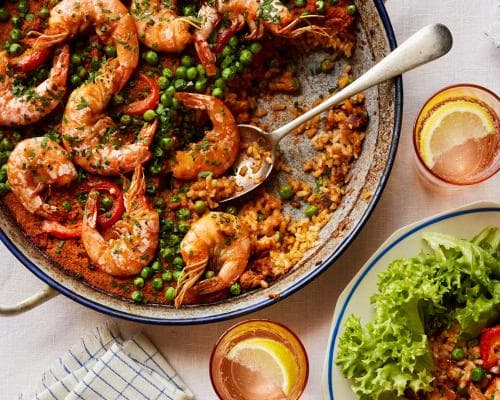
The best meal I’ve ever had cost less than a bottle of Krug. It happened on a sun-bleached dock in Ensenada, Mexico, where the Pacific throws waves at your table and the only soundtrack is the crack of shellfish hitting hot oil. A grilled prawn arroz arrived—blackened tomatoes, smoky pepper, rice steeped in a stock made from prawn heads and chipotle. It was giddying. Not because of the price tag, but because of the precision. That dish, now recreated by chef Thomasina Miers in her own kitchen, is the kind of alchemy you can’t buy at Nobu. You have to earn it.
Here’s what the ultra-wealthy understand that the rest of the world forgets: scarcity isn’t just about diamonds. It’s about a tomato that’s so ripe it blackens in minutes. It’s about a fisherman’s catch that never sees a freezer. Miers’ recipe—grilled prawns with red rice and allioli—is built on ingredients that peak for three weeks a year. The tomatoes? Large, scented, flooding markets near her home. The prawns? Deveined but heads-on, because the flavor lives in the shells. The technique? A dry-toast method that chars the chilli and pepper until they smoke, then a no-stir rice cook that demands patience. This isn’t a recipe for a busy Tuesday. It’s a ritual for a Sunday that stretches into evening.
The numbers tell a story of deliberate luxury. Four hundred grams of prawns, heads and tails intact. One hundred milliliters of olive oil—the good stuff, not the supermarket blend. A pinch of saffron that costs more per gram than gold. And the allioli: 250 grams of high-quality mayonnaise blitzed with roasted pepper and the garlic cloves that were first seared in the pan. The total ingredient cost? Under $50 for six people. But the real expense is time. One hour and ten minutes of active cooking, plus the knowledge of when to stop. That’s the mark of a dish that belongs in a private collection, not a chain restaurant.
What does this signal about wealth today? That the new status symbol isn’t a hypercar—it’s a hyper-local ingredient. The ultra-rich are flying to Ensenada for lunch. They’re chartering boats to the very fishing port where Miers first tasted this arroz. They’re hiring private chefs to replicate the exact char on the pepper, the exact pop of the prawn head in the blender. Because in a world of mass-produced everything, a meal that requires you to blacken a tomato over an open flame is a meal that cannot be faked. It’s the opposite of a tasting menu: it’s a statement that you have the time, the taste, and the connections to eat like a local, not a tourist.
This dish also reveals a shift in the luxury market away from ostentation and toward authenticity. The cold custard with roast peaches that follows—a “boozy baked peach” fantasy—prolongs the illusion that you’re still by the sea, waves crashing, sand between your toes. Miers calls it a lunch that “conjures up far away places you can dream about from home.” For the billionaires reading this, home might be a penthouse in Manhattan or a finca in Mallorca. But the dream is the same: a meal that transports you without a passport.
Looking forward, expect more chefs to lean into this kind of rustic precision. The days of gold leaf on everything are fading. What’s rising is the gospel of the perfect prawn head stock, the ritual of dry-toasting a chilli until it blisters, the quiet confidence of a dish that looks simple but takes a decade to master. Miers’ arroz is a recipe, yes. But it’s also a manifesto: that the most exclusive thing you can own is a memory of a meal that no one else can replicate. So book that flight to Ensenada. Or better yet, invite the chef to your kitchen. The cost is negligible. The bragging rights are eternal.
The Experience
Book a private chef experience through Miers’ team for a six-course Spanish coastal lunch in your home, or charter a yacht to Ensenada’s fishing port for a dockside tasting with the fishermen themselves.
More in FOOD