The Viennetta Reborn: How a 1980s Dessert Became the Ultimate Status Symbol of Homemade Taste
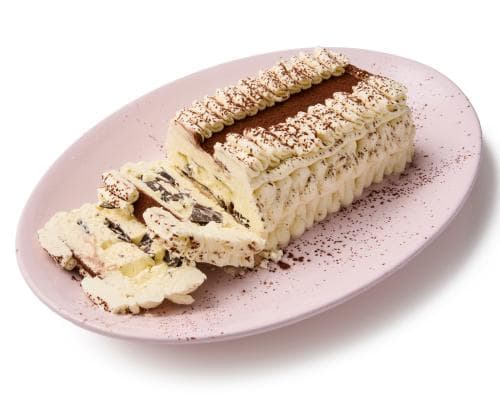
Picture this: a dinner party in Belgravia. The candles flicker, the Sauternes is poured, and then, from a silver platter, emerges something that looks like a frozen sculpture—ribbons of vanilla cream, dark chocolate cracking under the lightest touch. It’s a Viennetta. But not the one you remember from your childhood friend’s kitchen. This is the Viennetta 2.0, a quiet rebellion against the mass-produced, a signal that you can afford not just the best ingredients, but the time to craft them into something that tastes like memory, only better.
Launched in 1982, the original Wall’s Viennetta was a marvel of industrial engineering—pumping ice cream onto a conveyor belt slightly faster than the belt moved, creating that signature concertina effect. It was airy, impressive to behold, and, let’s be honest, distinctly light on flavor. As one food writer noted, “all that air made it light on flavor—no wonder one slice is never enough.” For the ultra-wealthy, that’s precisely the problem. You don’t want a dessert that whispers “efficiency.” You want one that shouts “craft.”
Today, a quiet revolution is taking place in the kitchens of London’s elite. Chefs like Richard, Oliver, and Gregory Gladwin of Notting Hill’s The Shed have abandoned the freezer aisle for a pâte à bombe—egg yolks whipped with sugar syrup into a frozen vanilla mousse. Rich, dense, and utterly decadent. Meanwhile, pastry genius Nicola Lamb, whose Kitchen Projects Substack is the secret bible of high-end dessert obsessives, takes a different route: a French meringue folded into double cream. The result? A texture that mimics the original’s airiness but with a depth of flavor that would make a Wall’s executive weep. Lamb’s version uses only 10-25% sugar by weight to cream, ensuring a smooth, not-too-sweet finish. No ultra-processed glucose syrup here. Just egg whites, cream, and an almost obsessive attention to balance.
What does this say about wealth and taste? Everything. The homemade Viennetta is the ultimate anti-status symbol. It’s not about owning a Birkin or a Bugatti—it’s about the quiet confidence of serving something that looks like a factory product but tastes like a private commission. It’s the culinary equivalent of a bespoke suit: same silhouette, entirely different substance. For the billionaire who has everything, the ability to say, “I made this myself—or my private chef did—from scratch” is the new black. It signals that you value time over convenience, craft over commodity. And in a world where even the most exclusive restaurants rely on sous-vide machines, a homemade Viennetta is a defiantly analog gesture.
Looking ahead, this trend will only accelerate. As the luxury market shifts from “more” to “better,” the homemade Viennetta represents a return to the artisanal—but with a knowing wink. It’s nostalgia, but curated. It’s a dessert that says, “I remember the 80s, but I’ve moved on.” For those who can afford the best vanilla pods, the finest Valrhona chocolate, and the time to whisk a meringue by hand, this is the new frontier. Not a dessert. A statement.
So next time you’re planning a weekend in the Cotswolds or a dinner at your Mayfair pied-à-terre, skip the Harrods patisserie. Crack an egg. Whip some cream. Make your own Viennetta. Because the most exclusive thing you can serve isn’t something money can buy—it’s something money can’t buy, but time can.
The Experience
Book a private masterclass with pastry chef Nicola Lamb or the Gladwin brothers to craft your own bespoke Viennetta in a London townhouse kitchen. Access via your personal concierge.