The £117m Man: Inside the Deal That Made Morgan Rogers the Most Coveted Asset in Football’s New Gilded Age

The number is almost too round to be real: £117 million. That is what Chelsea has agreed to pay Aston Villa for Morgan Rogers, a 23-year-old whose left foot has become the most expensive piece of sporting craftsmanship since Moisés Caicedo’s boots. The figure eclipses the £115m Chelsea paid for Caicedo in 2023, making Rogers the club’s record signing and, more tellingly, the most expensive English footballer ever — surpassing the £116m Manchester City paid for Elliot Anderson. This is not a transfer. This is an acquisition.
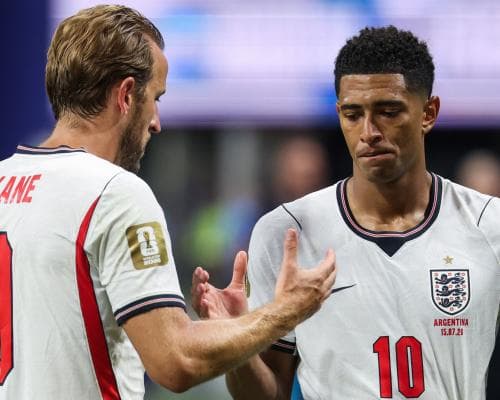
Rogers is the kind of player who makes scouts whisper and directors reach for their chequebooks. Last season, he delivered 14 goals and 12 assists across all competitions, helping Villa win the Europa League and secure a Champions League berth. At the World Cup, he started on the right wing in England’s semi-final loss to Argentina and created Anthony Gordon’s opening goal. He is fast, intelligent, and unflappable under pressure — a combination so rare it commands a premium that would make a Bugatti Chiron look like a sensible purchase.
The mechanics of the deal are as intricate as a bespoke watch movement. Chelsea hired Xabi Alonso as manager in May, and Rogers was one of his top targets. Arsenal also made contact, but Chelsea had been tracking Rogers for years. They moved quickly, offering a six-year contract and a fee that includes performance-related add-ons. Villa had signed Rogers from Middlesbrough in January 2024 for just £7m plus £8m in add-ons — a 780% profit in 18 months. That kind of return is the stuff of hedge fund fantasies.
In the collector’s market for elite footballers, provenance is everything. Rogers’s trajectory — from Middlesbrough to Villa to Chelsea, via a World Cup and European silverware — is a narrative of relentless ascent. His price tag reflects not just his current ability but the scarcity of players who can combine technical brilliance with composure on the biggest stages. For Chelsea, this is a statement: after a disappointing season with no European football, they are rebuilding with the kind of audacity that defined Roman Abramovich’s early years. They have bolstered their budget by selling Marc Cucurella to Real Madrid and Andrey Santos to Manchester United, and further funds could come if Enzo Fernández, who wants to leave, is sold to Madrid.
What does this tell us about luxury taste in the modern era? That the ultimate status symbol is no longer a yacht or a penthouse — it is a footballer in his prime, signed for a record fee. The ultra-wealthy have always collected art, cars, and wine. Now they collect talent. Chelsea’s move for Rogers is a bet on youth, on potential, on the idea that the next great thing is worth paying almost any price. It is the sporting equivalent of buying a Basquiat at auction: you are not just acquiring an asset; you are acquiring a story.
Villa will reinvest the windfall, likely targeting players like Crystal Palace’s Maxence Lacroix and Adam Wharton. They have already sold Youri Tielemans to United. But the real story is Chelsea’s. With Rogers, they have a player who can redefine their attack for a decade. The question is whether he will justify the price — or whether, like so many record signings, he will become a footnote in the annals of excess. For now, though, the £117m man is the most talked-about acquisition in football. And in a world where the richest compete for the rarest, that is the only currency that matters.