The 500% Tariff Play: How Washington Is Weaponizing Energy Markets to Rewire Global Trade
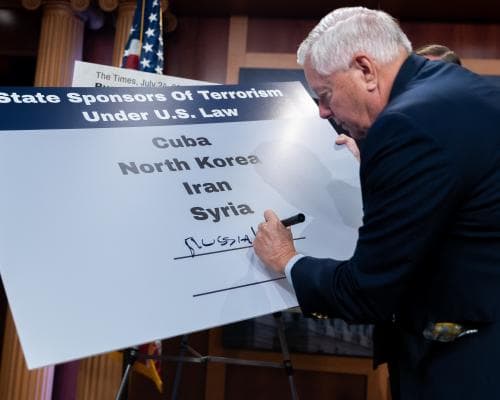
On a gray Friday in Washington, the US Senate did something rare: it moved with bipartisan fury. By an 86-11 vote, lawmakers passed a bill that slaps tariffs of up to 500% on Russian petroleum exports and threatens 100% duties on goods from the top five importers of Russian oil and gas. The legislation, renamed the Lindsey O Graham Sanctioning Russia Act, is a monument to a dead senator—but it's also a blueprint for a new era of energy statecraft. This isn't just punishment; it's a declaration that energy is the ultimate currency of power, and America is willing to burn the table to win.
The story begins with Lindsey Graham, the South Carolina Republican who spent his final days in Kyiv, pushing a simple idea: make Russia's customers pay. After his sudden death at 71, his sister Darline Graham, appointed to his seat, framed the bill as a moral ultimatum: do business with America or bankroll Putin's war. But beneath the rhetoric lies a sophisticated economic weapon. The 500% tariff isn't designed to collect revenue—it's designed to make Russian oil unsellable. At that rate, no refiner in the world would touch it, unless they're already locked into a pipeline. The 100% levy on importers like India, China, and Turkey is a shotgun aimed at the heart of global energy flows.
Here's the twist: this bill gives Donald Trump—or any future president—unprecedented discretion. He can impose those levies on any country he deems a top importer, but he can also waive them. That's not a bug; it's a feature. It turns the tariff into a bargaining chip, a club held over the heads of every nation that has deepened ties with Moscow since 2022. The White House and Senate leadership spent months negotiating the fine print, and the final version is a masterclass in strategic ambiguity. It's a law that can be as sharp or as blunt as the executive wants.
For the energy sector, this is tectonic. Russia's oil exports—roughly 7 million barrels a day—are the lifeblood of its war economy. The bill's architects are betting that by strangling those flows, they can cap Putin's revenue without triggering a global price spike. But here's the catch: if Russian barrels vanish, who fills the gap? The US is already the world's largest producer, but its shale patch is slowing. OPEC+ holds spare capacity, but Saudi Arabia and the UAE have their own agendas. And the clean energy transition—the very thing this desk covers—could be accelerated or derailed. If tariffs push oil prices higher, renewables suddenly look more competitive. But if they trigger a recession, capital for green projects dries up.
The competitive landscape is shifting beneath our feet. Europe, which once relied on Russian gas, has already pivoted to LNG from the US and Qatar. But Asia is the battleground. India has become Russia's top oil buyer, snapping up discounted barrels with glee. China, meanwhile, is building a shadow fleet of tankers to evade sanctions. This bill throws a wrench into those workarounds. The 100% tariff on goods from these countries isn't just about energy—it's about forcing them to choose sides in a new Cold War. And it's a choice they'll have to make with their wallets, not just their flags.
What does this signal for the sector? First, energy is no longer a commodity; it's a weapon. Every barrel has a geopolitical price tag. Second, the US is willing to use its market power—not just its military—to enforce norms. That's a precedent that will outlast this administration. Third, the bill's passage is a reminder that the clean energy transition isn't just about climate; it's about independence. Every solar panel installed, every EV sold, is a chip in the game of geopolitical chess. The faster the world weans off fossil fuels, the fewer levers Moscow and Riyadh have.
As the bill heads to the House, the question isn't whether it passes—it will. The real question is how the world adapts. Will India blink and diversify away from Russian crude? Will China double down on its shadow fleet? Or will this spark a global tariff war that shatters the post-war trading order? For now, one thing is certain: Lindsey Graham's legacy isn't just a law. It's a signal that the era of cheap, sanctioned energy is over. The future belongs to those who can build resilience—through technology, through diplomacy, and through the audacity to rewrite the rules of the game.