The Cambridge Diversity Reckoning: Jason Arday's Fall and the Fight for Meritocracy's Future
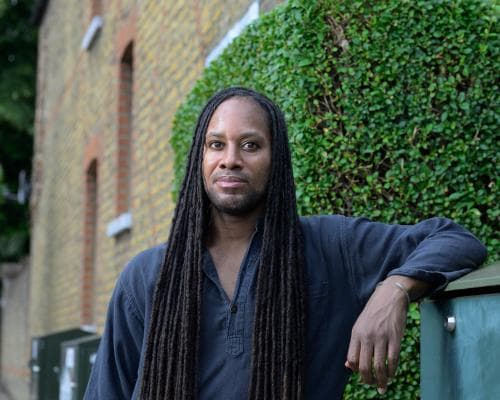
The announcement landed on a Wednesday, but the shockwaves will reverberate far longer. Jason Arday, the 37-year-old who had been celebrated as Cambridge's youngest-ever Black professor, is gone. His resignation is not a footnote; it is a detonation point in the ongoing culture wars over who gets to sit at the high table of academia — and how they got there. The furore around his promotion, now escalating into demands for an independent investigation, has become a case study in what happens when aspiration outruns verification, and when the machinery of diversity is weaponised against its own cause.
Arday's story was always too good to be true — and that is precisely the problem. A working-class, autistic, Black man who overcame a childhood diagnosis of global developmental delay to become a Cambridge professor: it was a narrative engineered for headlines. The memoir, the promised seven-figure advance, the triumphant arc — all of it is now under a cloud of plagiarism allegations and questions about his claims regarding his background and charitable work. Simon & Schuster, his publisher, would be wise to press pause on the forthcoming book. But the deeper issue is not Arday alone; it is the system that launched him with such fanfare, without the due diligence that any rigorous institution should apply to its most visible appointments. Cambridge, in its rush to showcase diversity, failed the very cause it claimed to champion.
The glee from the right is predictable but corrosive. This is not merely schadenfreude; it is strategic. Each scandal like this is ammunition for those who argue that diversity initiatives are inherently corrupt — that they prioritise identity over merit. The danger is that a single, flawed appointment becomes the excuse to dismantle decades of painstaking work by people of goodwill to widen the pipeline into elite institutions. The imbalances that diversity programmes seek to address are real: they are the legacy of prejudice, discrimination, and unequal access to opportunity. To abandon the mission because of one bad actor is like burning down a hospital because one surgeon was negligent.
Yet the critics have a point that must be confronted head-on: due diligence is not a barrier to diversity; it is its safeguard. The most robust defence of affirmative action is that it can withstand scrutiny. When institutions cut corners in the name of progress, they betray the very people they aim to elevate. Black and neurodivergent scholars now face a double bind: they must prove their merit more than their peers, while also being tarred by association with Arday's alleged misconduct. The fallout is not just a PR problem for Cambridge; it is a chilling effect on the next generation of diverse talent, who may now think twice before stepping into the spotlight.
This moment calls for a recalibration, not a retreat. The future of diversity in elite institutions depends on a commitment to process that is as rigorous as it is inclusive. That means transparent hiring, independent oversight, and a culture that values substance over symbolism. It also means defending the principle that diversity and excellence are not mutually exclusive — they are mutually reinforcing. The Arday affair is a warning, but it is also an opportunity. If Cambridge and its peers can learn from this debacle — if they can build systems that are both fair and welcoming — then the sacrifice of one man's career may yet serve a larger purpose.
The road ahead is narrow but passable. Those who advocate for diversity must stand firm, but they must also hold themselves to the highest standards. The alternative — a return to the old, exclusionary status quo — is unthinkable. The next Arday, whoever she or he may be, deserves a path that is both open and honest. The future of the academy depends on it.