Trump's Tariff Blitz and a Middle East Oil Threat: Why Global Markets Just Hit a Triple Whammy
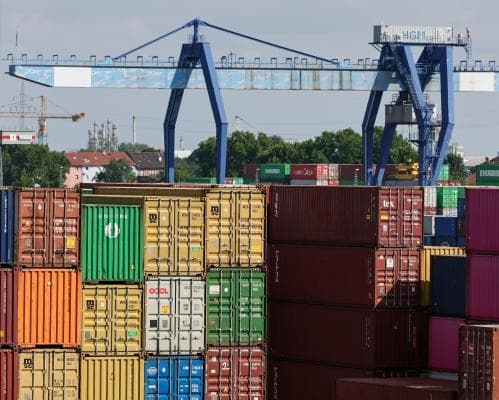
Imagine waking up to find that the world's biggest economy has just thrown a tariff grenade into the global trading system—and, as if that weren't enough, a militant group in Yemen is taking aim at the oil tankers that keep the Asian growth engine running. That's exactly what happened this morning. Asian stocks slid hard, Brent crude lurched above $99 a barrel, and the word 'uncertainty' became the only safe bet in town.
Let's talk scale. Donald Trump's latest salvo hits more than 80 countries with new tariffs. That's not a targeted strike; that's a carpet bomb on global supply chains. The Bank of Japan and the People's Bank of China are now staring at a fresh wave of export headwinds. Meanwhile, oil has surged more than 10% this week alone, driven by fears that Yemen's Houthi militias are ready to throttle Saudi oil shipments through the Bab al-Mandab strait—a narrow chokepoint that sees roughly 5% of the world's crude pass through daily. For anyone managing capital, this is a textbook 'risk-on to risk-off' flip.
The mechanics are brutal but simple. Tariffs raise the cost of imported goods, squeeze corporate margins, and force central banks to choose between fighting inflation and supporting growth. Add a potential supply shock in oil, and you get a stagflationary cocktail. The numbers tell the story: Brent crude slipped about 0.9% this morning to $99.8, but the weekly gain remains north of 10%. That's the market pricing in a premium for disruption. Asian equities, particularly export-heavy indices in Japan, South Korea, and Taiwan, took the brunt. The Nikkei fell over 2% in early trading. The Kospi dropped 1.8%. These are not blips; they are repricings of geopolitical risk.
What makes this moment especially rare is the convergence of two distinct shocks. Trade wars and oil supply crises usually happen in separate cycles. Here they are colliding in real time. The Houthi threat is not new—they've attacked Saudi infrastructure before—but targeting the Bab al-Mandab strait is a direct escalation. It threatens the flow of crude to Asia's refiners, which means higher gasoline prices from Tokyo to Mumbai. For the ultra-wealthy, this is a reminder that concentrated exposure to any single region or asset class is a liability. Diversification isn't just a buzzword; it's survival.
What does this signal for markets and the wealthy? First, expect volatility to stay elevated. The CBOE Volatility Index (VIX) is likely to spike as traders hedge against further tariff announcements or a full-blown blockade. Second, commodities—especially energy and precious metals—are becoming the new safe havens. Gold has already been creeping higher, and oil's risk premium is far from fully priced. Third, this environment punishes passive beta. The smartest capital is rotating into cash, short-duration bonds, and direct ownership of hard assets. Real estate in stable jurisdictions, infrastructure with pricing power, and energy producers with low extraction costs are getting fresh attention.
Looking forward, the key question is whether this is a tactical move or a structural shift. If Trump's tariffs are a negotiating tactic, markets might recover once a deal emerges. But the Houthi threat is less predictable. It's tied to the broader Iran-Saudi proxy conflict, and any disruption to the Bab al-Mandab could last weeks, not days. For wealth builders, the playbook is clear: hedge your currency exposure, lock in some commodity exposure, and keep dry powder. The next few weeks will separate those who react from those who anticipate. The world's smartest capital is already moving. Are you?