Germany's factory orders surprise, but Rheinmetall's naval loss reveals the cracks in Europe's defense boom
Here's a number that should make you sit up: German factory orders rose 3.1% in June, blowing past every analyst's guess. The consensus was a measly 0.3%. Europe's industrial powerhouse is supposedly stuck in a rut, yet the data says otherwise—if you know where to look. But here's the twist: the same report that delivered this upbeat headline also buried a warning for anyone holding defense stocks. Rheinmetall, Germany's biggest arms maker, slashed its sales outlook after losing a huge naval contract. That's the kind of whiplash that separates the winners from the losers in this market.
The scale of the surprise matters. New orders jumped 3.1% month-on-month, but strip out the big-ticket items—the kind of mega-deals that skew the numbers—and orders actually dipped 0.5%. That's the classic 'headline versus reality' gap. Over the quarter, orders were up a respectable 1.3%, but the devil is in the details. Machinery and equipment led the charge with 12.7% growth, while computer, electronic, and optical products surged 22.7%. The car industry, still the backbone of German manufacturing, managed a solid 3.8% rise. But aviation, ships, trains, and military gear? Orders plunged 41.7%. That's not a blip; that's a structural shift.
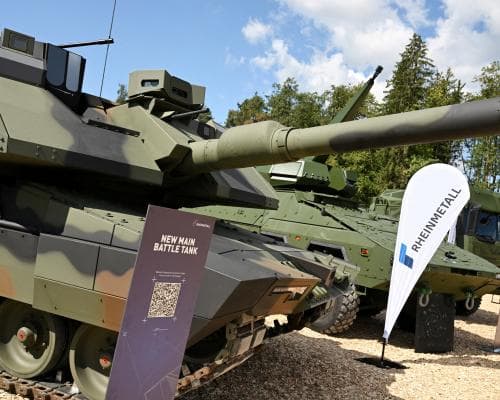
Now, the Rheinmetall story. The company lost a German naval contract worth several billion euros—the F126 frigate programme was cancelled in June. Rheinmetall now says annual revenues could fall to €13.7bn, down from a previous low-end forecast of €14bn. That's a €300m hit, and it's a stark reminder that government contracts are a double-edged sword. They can mint fortunes, but they can also vanish overnight when politics shifts. Rheinmetall stuck to its operating margin forecast, which is a small comfort, but the market isn't stupid. The stock has been a darling of the European defense rally, and this news will test investor faith.
The geographical breakdown adds another layer. Foreign orders rose just 0.2% in June, but that's misleading. Orders from the euro area fell 14%—a worrying sign for intra-European trade—while orders from outside the eurozone jumped 10.2%. Domestic orders rose 7.8%, suggesting German industry is leaning on home demand. That's not sustainable. If Europe's core can't sell to its neighbors, and relies on non-EU markets, the recovery is fragile. The eurozone's internal weakness is exactly what the ECB fears, and it's why the common currency's future remains a live debate among the wealthy.
For wealth builders, this is a tale of two trades. The tech and machinery numbers point to continued strength in automation, electronics, and high-end manufacturing—areas where German firms still dominate globally. But the defense sector, which has been a hot money play since Russia's invasion of Ukraine, is showing cracks. Rheinmetall's loss is a reminder that defense contracts are discretionary, not guaranteed. The wealthy who piled into defense stocks for geopolitical tailwinds need to ask: is the next contract coming, or is the political wind shifting?
Looking ahead, the market's reaction will be telling. Asian shares fell on Thursday after a tech pullback, and European markets will likely follow suit with a cautious tone. The German data is genuinely good news, but the Rheinmetall warning is a counterweight. For the smart capital, the lesson is diversification—not just across asset classes, but across sectors and geographies. The German factory order surge is a bullish signal for industrial stocks, but the defense setback is a bearish one for that niche. The trick is to read the nuance, not the headline.
So, what's the play? Watch the machinery and electronics names—they're riding a structural boom. Avoid the defense names that rely on single contracts. And keep an eye on the eurozone's internal demand, because that's the weak link. The data is out, and it's telling you to be selective. That's the real message for anyone managing serious money today.