The Return of the Stork: A Winged Miracle in the English Midlands
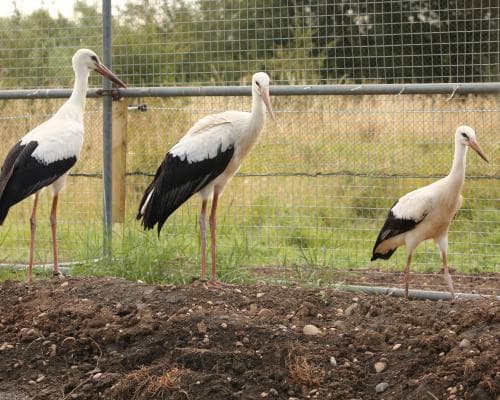
A long orange beak poked out from its wooden crate—curious, unafraid. Then a sleek head, a slender body, and suddenly, wings. The first white stork in six centuries to call Derbyshire home flapped into the air over Willington Wetlands, and the morning felt like a held breath released. Moments later, a second stork emerged tentatively, stalking through the long grass, followed by a third sibling who stretched its wings and explored the enclosure’s length. These three juveniles are not just birds. They are the vanguard of a quiet revolution.
For the ultra-wealthy traveller who has seen every corner of the globe—who has watched the great migration from a hot-air balloon over the Maasai Mara, or tracked snow leopards in the Himalayas—the white stork’s return to the English Midlands offers something rarer than rarity: a story unfolding in real time. This is not a curated experience in a far-flung reserve. It is a homecoming. And it is happening in a landscape that, until recently, had forgotten its own wildness. The Derbyshire Wildlife Trust has spent years restoring Willington Wetlands, turning former gravel pits into a mosaic of reedbeds, wet grassland, and shallow lagoons. Now, the storks are the final brushstroke.
What makes this project so compelling is the access it affords. While the storks are currently housed in a purpose-built enclosure to help them acclimatise, the trust plans to release them fully into the wild once they are strong enough. For now, guests of the nearby luxury lodges—think sleek, glass-walled retreats with underfloor heating and binoculars on every windowsill—can book private guided visits with conservation staff. You stand in the dawn mist, coffee in hand, as a keeper opens the crate. The storks hesitate, then step into the light. It is intimate. It is unscripted. And it is utterly unlike the polished, predictable safaris that dominate the luxury market.
The rarity here is not just the bird, but the moment. White storks disappeared from Derbyshire and the Midlands around the 14th century, driven out by habitat loss and hunting. For 600 years, they were ghosts in the landscape—present only in folklore, in chimney-top nests remembered in old stories. Now, thanks to a partnership between the trust, the Roy Dennis Wildlife Foundation, and private donors, they are back. The hope is that these three juveniles will act as a “magnet flock,” attracting wild storks migrating from Africa to settle and breed. It is a slow, patient gamble—one that requires deep pockets and deeper commitment. The project’s price tag is not disclosed, but similar rewilding initiatives in the UK run into the millions. For the discerning traveller, this is not a cost but an investment in legacy.
This signals something important about where luxury travel is headed. The era of passive observation—of being driven through a game reserve in a Land Rover while someone else points—is giving way to a more engaged, narrative-driven kind of journey. The wealthy no longer want to just see wildlife; they want to be part of its story. They want to fund the crate, name the stork, watch the first flight. They want to sit with a conservationist over dinner and hear how the reeds were planted, how the water levels were managed, how a landscape was rebuilt from the ground up. It is travel as participation, not consumption.
Where do the ultra-wealthy go next? Not to the obvious places. Not to the over-photographed lodges or the celebrity-heavy reserves. They go to Derbyshire, to a wetland that few have heard of, to watch a bird that most have forgotten. They go for the quiet thrill of being present at a beginning. And as the sun sets over the Trent Valley, and the three storks settle into their enclosure for the night, they know they have witnessed something that cannot be bought—only borrowed, for a moment, from the wild.