The Gentleman's Exit: Andrew Flintoff Steps Away from the Lions, Bound for the Big Bash
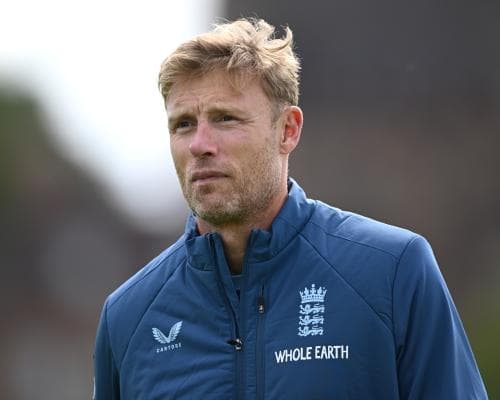
There is a certain art to leaving well. Not the slammed door of a disgruntled employee, nor the tearful farewell of a retiring statesman, but the quiet, decisive step back that says: I have other places to be. Andrew Flintoff, the 48-year-old former all-rounder who once tore through Ashes line-ups with the fury of a man possessed, has just executed that move with the grace of a cover drive. On a Friday evening, with the world's attention elsewhere, the England and Wales Cricket Board announced that Flintoff had stepped down as head coach of the England Lions—his post since September 2024—with immediate effect. No fanfare. No long goodbye. Just a statement, a handshake, and a flight path set for Sydney.
For those who follow the finer rhythms of the game, the news lands like a perfectly timed bouncer. Flintoff was, by all accounts, excellent in the role. Rob Key, the England men's team director and a man who knows Flintoff's mettle better than most, had only last week been moved to defend his friend against whispers that the coaching gig was a mere celebrity sinecure. “We’ve been incredibly fortunate to have him do it,” Key said, with the warmth of a man who has watched a peer exceed every expectation. “I thought it was disrespectful for people to say that he shouldn’t have been doing it. He’s been outstanding in that job.” The defense was necessary, perhaps, because Flintoff’s presence in the dressing room carries a weight that statistics cannot capture. He is not a man of spreadsheets or biomechanics; he is a man of presence, of the kind of quiet authority that young cricketers absorb like sunlight. His departure, then, is not a failure of performance but a triumph of prioritization.
The reason for the abrupt exit is, fittingly, a life that has grown too rich for a single role. Flintoff has signed on for the Big Bash League’s Sydney Thunder, a franchise that offers the kind of glamorous, high-octane cricket that suits his temperament—floodlights, fireworks, and a crowd that roars for sixes. Add to that his television work, which has made him a household name beyond the boundary rope, and the quiet demands of family, and the arithmetic becomes clear. The Lions, for all their importance as a nursery for England’s next generation, simply could not hold him. In his own words, delivered with the understated dignity that has always marked his public life: “Unfortunately I’ve made the decision to step away from my role with the Lions. Not only have I enjoyed my time having the opportunity to work with the best young cricketers in the country, but have taken great pride in seeing them develop.” It is a statement that reads like a man who has learned that the best legacy is not a title, but the lives you’ve touched.
For the collectors of cricket’s ephemera—the autographs, the match-worn shirts, the stories that get better with each retelling—this move is a reminder that the true currency of the sport is not silverware but time. Flintoff’s tenure with the Lions was never about trophies; it was about the slow, patient work of shaping young men. He was there for the quiet conversations after a bad innings, the gentle correction of a flawed technique, the belief instilled when doubt crept in. That work does not end with a contract, but it does require a presence that Flintoff, with his packed calendar, could no longer give. His replacement for the upcoming four-day match against Pakistan at Beckenham—the Professional County Club Select XI, as it is officially styled—will be Mike Yardy, the Under-19s coach, a man of impeccable credentials but without the Flintoff mystique. The young players will still learn, of course. But they will miss the particular magic of being coached by a man who has stood at the crease with 40,000 voices screaming his name.
What does this signal about the state of luxury, if we may stretch the metaphor? In the world of the ultra-wealthy, the most coveted possession is not a yacht or a penthouse but autonomy—the freedom to choose one’s own season, to trade the grey of obligation for the gold of opportunity. Flintoff has done precisely that. He has swapped the relentless English winter for the Australian summer, the pressure of national expectation for the joy of a T20 carnival. It is a lifestyle choice that speaks to a broader truth: the truly discerning know when to walk away, not because they have failed, but because they have succeeded on their own terms. The Big Bash is not a step down; it is a step sideways into a brighter light. And for a man who once carried a nation’s hopes on his broad shoulders, that light is well earned.
As the cricket world adjusts to this new reality, one imagines Flintoff already in Sydney, sunglasses on, watching the harbour glitter. The Lions will find a new shepherd, and the young players will find new mentors. But the memory of Flintoff’s time—the way he made every net session feel like a stage, every young bowler feel like a potential hero—will linger. In the end, his exit is not a departure but a reorientation. He is not leaving the game; he is choosing a different way to love it. And for those of us who watch from the pavilion, sipping our champagne and applauding the elegance of the move, it is a masterclass in knowing when to walk, and when to run.