Iran's Drone Strike on Bahrain Base Signals a New Era of Asymmetric Warfare
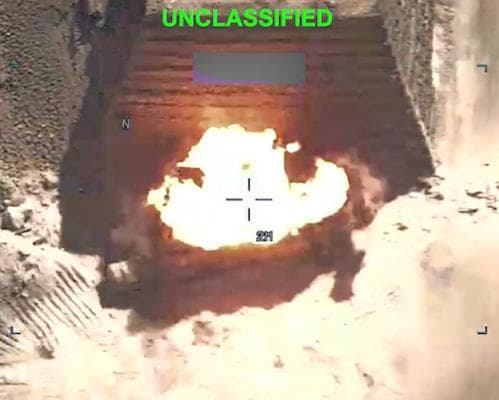
The Iranian army's claim of a drone strike on the Sheikh Isa airbase in Bahrain is not just another headline in the Middle East crisis. It is a signal flare. A cheap, off-the-shelf drone—or a swarm of them—allegedly took aim at a US military hub. If confirmed, this is the kind of attack that keeps defense planners up at night. Not because it's a game-changer in firepower, but because it represents a profound shift in who gets to play. For decades, air superiority meant billion-dollar jets and aircraft carriers. Now, a drone built for a few thousand dollars can threaten a base that cost billions to install.
This isn't a random skirmish. It's a test case for a new kind of warfare. The Strait of Hormuz, the world's most critical oil chokepoint, is the backdrop. Iran has long threatened to disrupt tanker traffic there. But the real story is the technology behind the threat. Drones are no longer just surveillance tools or toys for hobbyists. They are precision weapons, networked and cheap. Iran's drone program, nurtured under sanctions, has become a blueprint for asymmetric power. The attack on Sheikh Isa—if real—shows that a state with limited resources can challenge a superpower's forward bases without ever launching a missile.
The players here are not just Tehran and Washington. The Lebanese army's deployment to Zawtar al-Gharbiyeh, under a US-brokered framework, reveals a deeper chessboard. Hezbollah, Iran's proxy, is being asked to disarm. Meanwhile, the US and Israel are testing a pilot zone program to stabilize southern Lebanon. But the drone strike in Bahrain throws a wrench into that narrative. It suggests that Iran is willing to escalate even as diplomatic frameworks advance. The technology—drones, electronic warfare, and swarming algorithms—is the real currency here. It allows a smaller actor to punch far above its weight, and it forces traditional militaries to spend billions on countermeasures like directed-energy weapons and AI-driven air defense.
Look at the market. Defense tech is booming, and not just for Lockheed or Raytheon. Venture capital is pouring into startups building autonomous drones, counter-drone systems, and AI targeting. Anduril, Palantir, and a dozen smaller firms are reshaping how wars are fought. The Strait of Hormuz is a microcosm of this shift. Control of the strait used to hinge on naval supremacy. Now it hinges on who can field the most resilient drone swarm. Iran's move is a proof of concept for other nations and non-state actors. If a drone can hit a US base in Bahrain, it can hit a Saudi oil facility, a UAE port, or a tanker in the Gulf. The cost of entry is plummeting.
What does this signal for the sector? First, the defense establishment is in a reactive posture. The US and its allies are scrambling to field counter-drone tech, but the offense is outpacing the defense. Second, the line between state and non-state actors is blurring. Iran's drone program is state-backed, but the same technology is available to militias and terrorists. Third, the Strait of Hormuz is no longer just a geopolitical flashpoint—it's a laboratory for the future of conflict. Every drone launch, every interception, every failed defense is data that will shape how billionaires and defense contractors invest.
Here's the forward look: The next five years will see an arms race in drone autonomy. Not just bigger drones, but smarter ones—swarms that can coordinate, adapt, and overwhelm air defenses. The US military's Replicator initiative, which aims to field thousands of low-cost autonomous systems by 2025, is a direct response. But Iran's attack suggests the race is already on. The winner won't be the country with the biggest budget, but the one that can integrate AI, cheap hardware, and novel tactics fastest. For investors and innovators, this is the new frontier. The Strait of Hormuz is just the opening act. The real show is the democratization of destruction—and the race to defend against it.