The Art of Carrying Everything: Why the Ultra-Wealthy Are Packing Light
In the rarefied world of private jets and penthouse suites, the most coveted accessory is no longer a Birkin or a Patek Philippe. It’s a 20-litre running backpack, worn thin from 10,000 kilometres of trail, that carries everything you truly need: water, fuel, a change of clothes, and the quiet confidence to keep moving. I learned this the hard way. In 2022, I ran 67 marathons solo across Europe with my life on my back in a 10kg pack. Apart from my shoes, that backpack was my most critical piece of kit. It taught me that luxury isn’t about what you bring; it’s about what you’re free to leave behind.
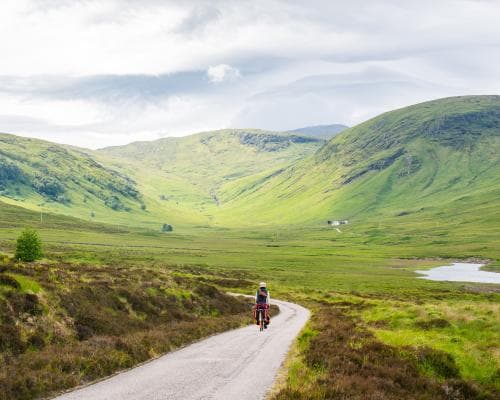
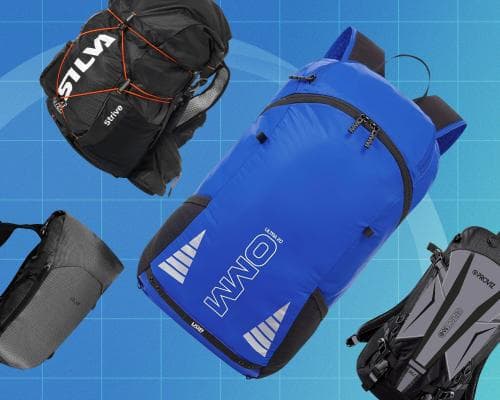
The new paradigm of high-end travel isn’t about the destination alone—it’s about how you arrive. The ultra-wealthy are increasingly seeking experiences that demand self-reliance: multi-day runs through the Dolomites, solo traverses of Iceland’s highlands, or dawn commutes along the Cornish coast before a board meeting in London. For these journeys, a running backpack is not a piece of luggage; it’s a key to a door that opens onto empty ridges, silent forests, and the kind of solitude that no five-star hotel can buy. The best packs, like the OMM Ultra 20-litre or the Silva Strive Mountain Pack 23-litre, are engineered to disappear on your back, distributing weight so perfectly you forget you’re carrying anything at all.
What makes a running pack worthy of a discerning traveller? It’s not the brand logo or the price tag. It’s the details: a vest-style harness that moves with your breath, a front pocket that holds your phone and a salt tablet within reach, a roll-top closure that seals out rain on a high Alpine pass. The Stolt Athlete Ultralight 12-litre, at £149, is a whisper of a pack that folds into its own pocket—perfect for the runner who wants to arrive at a remote lodge looking fresh, not frazzled. For night runs under the stars, the Proviz Reflect360 Tour 20-litre turns you into a beacon of light, ensuring safety on dark roads. These aren’t gadgets; they are instruments of liberation.
The price of admission to this world is surprisingly modest. A premium running pack costs between £45 and £150—a fraction of a single night at a luxury resort. Yet the value it returns is incalculable. It grants you the ability to run from a château in Bordeaux to a vineyard at sunrise, to carry your own hydration across the Sahara, to drop a package at the post office without getting in a car. This is the new luxury: not opulence, but autonomy. The wealthy are realising that the most exclusive experience is the one you earn with your own legs.
What this signals about the future of luxury travel is a shift from passive consumption to active engagement. The old guard wanted to be driven; the new guard wants to run. They want to feel the gravel underfoot, taste the salt on their lips, and know that every mile they cover is theirs alone. The running backpack is the quiet emblem of this movement—a piece of kit that says, “I don’t need a porter. I am my own.”
So where do the wealthy go next? Not to a new island or a private club, but deeper into the wild. They are booking multi-day self-supported runs on the Camino de Santiago, traversing the Arctic Circle in summer, and linking hut-to-hut routes in the Swiss Alps. They are packing light, moving fast, and discovering that the best room with a view is the one you carry on your back. The running backpack is not just gear. It’s the ticket.