The Unspoken Code of the First-Class Commute: Mastering the Art of Gracious Transit
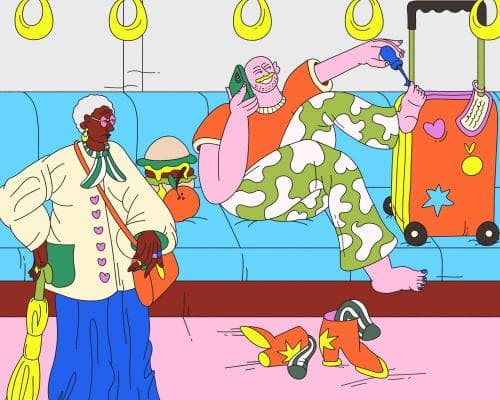
The private jet is parked, the chauffeur is on standby, and yet—here you are, squeezed into a metallic tube hurtling beneath the city, inhaling someone else’s eau de garlic baguette. Why? Because the true measure of a person isn’t how they behave in a boardroom, but how they navigate the unglamorous, unyielding chaos of a packed commuter train. For the ultra-wealthy, who are used to controlling every variable, public transport is the great equalizer—a place where money can’t buy a wider seat, but manners can buy something far more valuable: respect. And as any seasoned traveler knows, the difference between a tolerable journey and a social minefield comes down to a set of unwritten rules that even the most polished among us often fumble.
The modern etiquette gurus—think Debrett’s director Rupert Wesson and Polished Manners founder Laura Akano—have codified these rules, and their insights are as applicable to a first-class lounge as they are to a rush-hour carriage. The first dilemma: who deserves your seat? The principle is simple—anyone who needs it more than you do. But discerning that need requires a level of social intelligence that rivals any investment strategy. That woman might be pregnant, or might just be carrying a heavy handbag; that older gentleman might be frail, or might bristle at the implication. The experts advise a discreet approach: catch someone’s eye, offer without a grand gesture, and if you’re uncertain, stand up as if to alight, but hover just long enough to ensure the right person takes the prize. It’s a subtle dance of non-verbal cues, a silent negotiation that, when done well, leaves both parties feeling seen and respected. The old default of offering seats to all women? That’s as dated as a flip phone. The world has moved on, and true grace lies in reading the room—or carriage—not following a script.
Then there’s the question of physical space, where the real battles are fought. Feet on seats? A resounding no, even if your loafers are pristine. “It’s not an extension of your sitting room,” Akano reminds us, and she’s right. The seat is a shared resource, a temporary trust, and violating it with your soles is a breach of contract. The same goes for the manspreader, who claims two seats as their birthright, or the backpack-wearer who turns their torso into a rotating hazard. The art here is not confrontation but preemptive grace. A well-placed, polite “Excuse me, could you shift your bag?” delivered with a smile, is worth more than a thousand passive-aggressive sighs. And what about the aisle seat? You may take it, but you must be prepared to yield, to rise like a gentleman and let your neighbor pass without a scramble. It’s a small act of chivalry that costs nothing but elevates you from mere commuter to a connoisseur of courtesy.
This is where wealth and taste intersect. The truly refined understand that luxury isn’t just about what you own—it’s about how you behave in the spaces you share. A private jet is a statement; a graceful exit from a crowded train is a legacy. The etiquette experts are unanimous: the key is to look up from your phone, to notice the world around you, and to act with deliberate kindness. That’s the ultimate status symbol. It signals that you don’t need to prove anything, that you’re secure enough to offer a seat to a stranger, that you understand the subtle power of a well-timed smile over a sharp word. In an era where everyone is broadcasting their lives, the quiet art of not being a nuisance is a rare and precious commodity.
So, the next time you find yourself on a busy platform, remember: your net worth may open doors, but your manners open hearts. The trend among the elite is shifting from ostentatious displays to understated grace, and the commute is the perfect place to practice. The future of luxury travel isn’t just about the destination—it’s about the journey, and how you treat the people you share it with. Master this, and you won’t just own the room; you’ll own the entire carriage.
The Experience
To refine your own etiquette repertoire, consider a private consultation with Debrett’s or a bespoke workshop with Polished Manners—because true elegance is always in the details.