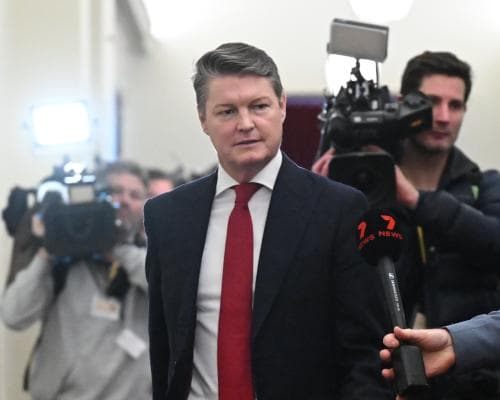
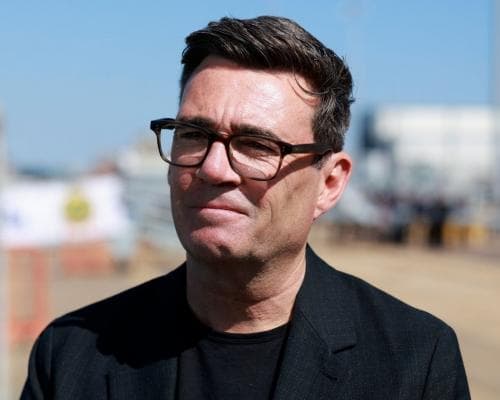
Andy Burnham's Media War Chest: Why the New PM's Biggest Risk Isn't Politics — It's Platform Power
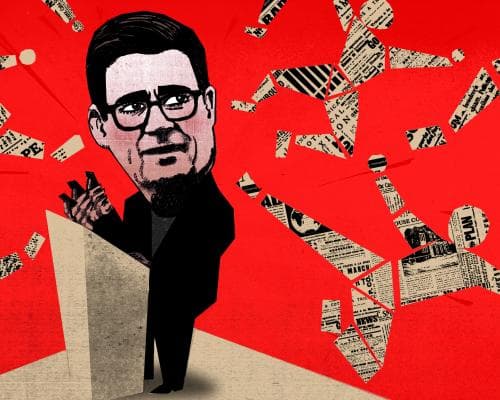
Andy Burnham has been in politics long enough to know that the largely friendly media coverage he’s received so far would turn hostile once he was inside Downing Street. But what he may not fully grasp — and what every steward of a fortune should understand — is that the old rules of reputation management have been shredded. Within hours of becoming prime minister, the familiar predators were circling. The Mail accused him of embarking on an unfunded “spending spree.” The Sun highlighted a series of “embarrassing” and “humiliating” moments. The Telegraph declared he stood for nothing except “gimmicks.” This is standard fare for a Labour leader. But the real threat isn't the print barons. It's the zombie horde online.
For the wealthy, this is not a political sidebar. It is a case study in how capital — specifically, reputation capital — is now built, multiplied, protected, and deployed in an era where a single AI-generated image can wipe out years of trust. Burnham has watched, with dismay and dread, how social media algorithms fuel an individualist briefing culture. Keir Starmer was demonised out of all recognition by platforms such as Elon Musk’s X. AI-generated images purporting to show Burnham promising to house more asylum seekers in his new constituency, or completely false claims that he gave a public contract to his wife, have already circulated widely. This is not noise. It is a structural shift in how power is contested — and how fortunes are lost.
The mechanics are brutal. Orderly old methods of managing the news cycle with “a grid” of stories for newspapers and broadcasters have been replaced by the mayhem of a zombie movie. For a high-net-worth individual, the equivalent is the collapse of the old gatekeepers — trusted advisors, family offices, private bankers — who once controlled the narrative around a fortune. Now, a rogue tweet from an anonymous account can crater a stock, torpedo a SPAC, or trigger a run on a family office. Burnham's experience mirrors that of any billionaire who has watched a reputation built over decades evaporate in a 48-hour news cycle. The cost is not just political. It is financial.
Consider the rarity of the asset under threat. Burnham's political capital — his credibility with the public, his ability to govern — is not unlike a rare painting or a prime piece of coastal real estate. It took years to acquire, it is illiquid, and it is uniquely vulnerable to vandalism. The same is true for the ultra-wealthy. A family name that has been cultivated for generations can be destroyed by a single viral falsehood. The price of protecting it has skyrocketed. Private security, crisis PR, legal retainer fees — these are now line items on the balance sheet of any serious family office. Burnham's nine years as mayor of Greater Manchester gave him a buffer. He returned to Westminster with a sense of dismay, disorientation, and maybe dread. That feeling is familiar to anyone managing a concentrated wealth position in a hostile environment.
What does this signal for markets and the wealthy? First, that the cost of capital — both financial and reputational — is rising. Investors will increasingly demand a premium for exposure to individuals or entities with thin reputational moats. Second, that the tools of defense are shifting. Traditional media relations are no longer sufficient. The wealthy are now deploying AI-powered monitoring systems, rapid-response legal teams, and even their own content platforms to control their narratives. Burnham's media foes will offer no respite. Neither will the algorithms. For the wealth desk, the takeaway is clear: reputation is no longer a soft asset. It is a hard currency — and it is being debased in real time.
The forward-looking close is sobering. Burnham may master his message for now, but the structural advantage has shifted to the attackers. For the wealthy, the lesson is that the most valuable asset you own — your name — is also the most vulnerable. The smartest capital is not just deployed in stocks and bonds. It is deployed in the systems that protect your story. Burnham's fight is a warning. The next billionaire who ignores it will not just lose an election. They will lose a fortune.