Victoria's New Premier Jumps Straight Into the Construction Muck — What It Means for Capital Flows Down Under
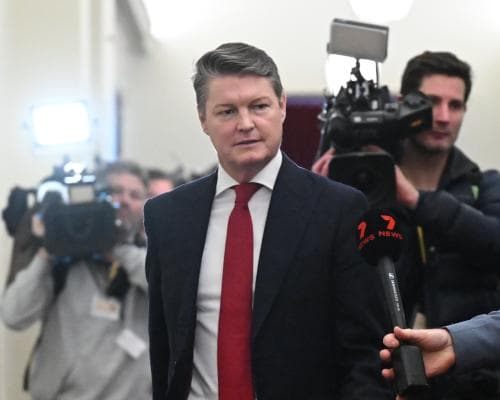
Ben Carroll was sworn in as Victoria's new premier this afternoon, and he didn't waste a minute. His first act? A royal commission into alleged corruption in the construction sector. That's a grenade tossed straight into one of Australia's most politically connected and capital-intensive industries — and it landed just four months out from a state election.
For the money crowd, this is the kind of shake-up that makes you sit up. Victoria's construction sector is a $50 billion-plus beast, propped up by government megaprojects like the Suburban Rail Loop and level-crossing removals. It's also long been whispered about as a playground for backroom deals, union muscle, and opaque tenders. A royal commission doesn't just rattle the builders — it rattles the bondholders, the infrastructure funds, and the superannuation giants underwriting these projects.
Here's the mechanics: Carroll was unanimously endorsed by the Labor caucus after Jacinta Allan abruptly resigned this morning. She had said yesterday she'd contest the leadership ballot, but by breakfast she was out. Carroll, the former transport infrastructure minister, and his new deputy Gabrielle Williams — also a transport portfolio veteran — now control the levers of a state that has borrowed heavily to fund its infrastructure binge. Victoria's net debt is projected to hit $187 billion by 2027-28. That's a lot of construction spending that just got a spotlight.
The corruption probe is the headline, but the subtext is all about capital. Institutional investors have poured billions into Victorian infrastructure via public-private partnerships and listed firms like CIMIC Group and Lendlease. If the commission finds systemic graft, expect delays, cost blowouts, and reputational hits. That's bad for near-term returns. But there's a flip side: a cleaner sector could eventually command lower risk premiums and attract more foreign capital, especially from ESG-conscious funds that have shied away from Australian construction's murky reputation.
What does this signal for wealthy investors? First, watch the bond market. Victoria's triple-A credit rating has already been under pressure from debt levels. A corruption scandal could push yields higher, making state government bonds less attractive relative to New South Wales or Queensland paper. Second, private equity and infrastructure funds should brace for a regulatory wave — due diligence on any Victoria-linked construction asset just got more expensive. Third, for those with a contrarian bent, a post-commission clean-up could create entry points into undervalued contractors and developers that survive the purge.
Carroll is framing his leadership as a clean break — "I'm not Daniel Andrews, I'm not Jacinta Allan," he said. That's a direct pitch to voters and markets alike. But the proof will be in the commission's terms of reference and its timeline. A quick, targeted probe could restore confidence. A sprawling, years-long inquiry could freeze decision-making and spook capital just as Victoria needs it most.
For now, the smart money is watching. This isn't just a political story — it's a capital allocation event. The construction sector is the canary in Victoria's fiscal coal mine. How Carroll handles this commission will tell you whether Melbourne remains a destination for global infrastructure dollars or becomes a cautionary tale in your next asset allocation review.