The Lemon That Launched a Riviera Empire: Inside Menton’s Fête du Citron
Imagine a lemon so fragrant it could anchor a perfume, so vibrant it stains your fingers with gold. That’s the Menton lemon—a fruit that, for two weeks each February, transforms a sleepy Riviera town into a living tableau of wealth, taste, and nature’s quiet opulence. The annual Fête du Citron isn’t just a food festival. It’s a declaration: that true luxury is found in the singular, the seasonal, the impossible to replicate.
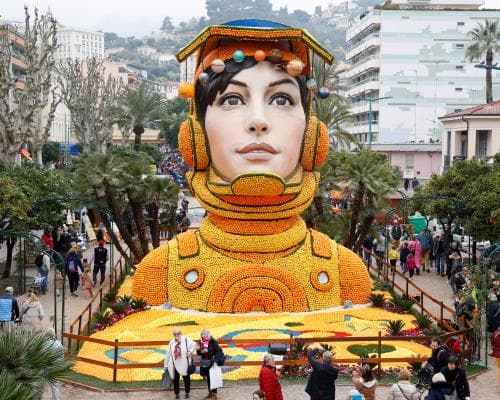
Menton sits cradled between the Alps and the Mediterranean, a microclimate that shields it from winter’s bite. Those mountains block the cold winds, allowing the lemons to develop a perfume and flavor that no other citrus can claim. From 10 to 28 February 2027, the town becomes a stage. Stalls overflow with lemon tarts, citrus salads, and cakes so zesty they taste like bottled sunlight. Sculptures made entirely of oranges and lemons line the streets—giant dragons, pagodas, and châteaux built from fruit, each piece a temporary masterpiece. Parades roll through the cobblestones, and the Jardins Biovès glow with golden light installations. This is not a market. It is a curated experience, one that pulls the ultra-wealthy away from their Alpine chalets and Caribbean yachts to witness something humble made sublime.
The numbers matter, but not in the way you’d expect. There’s no ticket price that guarantees entry to the soul of the event. What matters is access: a villa overlooking the Bay of Menton, a private chef who sources lemons directly from the terraced groves, a table at a Michelin-starred restaurant that builds its entire winter menu around the fruit. The lemons themselves are the real currency. Their scarcity—only grown in this narrow coastal strip—makes them a status symbol for those who know. A single Menton lemon can cost more than a bottle of good Champagne. The festival’s sculptures consume over 140 tons of citrus, all of it local, all of it ephemeral. That’s the point: wealth that doesn’t hoard, but celebrates abundance through impermanence.
For the connoisseur, this signals a shift in taste. The old markers of luxury—a Birkin bag, a Patek Philippe—are giving way to something quieter: provenance, seasonality, the story behind a single ingredient. The Fête du Citron is a masterclass in that philosophy. It’s not about the lemon itself; it’s about the microclimate, the centuries of cultivation, the artisans who turn fruit into art. It whispers that the most exclusive item you can own is an experience no one else can have. The festival’s real attendees aren’t tourists. They are collectors of moments—people who fly in on private jets, stay at the Hôtel Royal-Riviera, and leave with a crate of lemons packed in straw, as if transporting a piece of the Riviera’s soul.
Looking ahead, this festival is a bellwether. As the world’s wealthy grow tired of mass-produced luxury, they’re turning to the hyper-local, the hyper-seasonal, the hyper-rare. Menton’s lemons are a preview of what’s next: a luxury economy built not on things, but on terroir. The Fête du Citron will only become more exclusive, more curated, more essential. For now, it remains a secret worth knowing—a golden slice of winter that tastes like the best kind of wealth: unhurried, rooted, and utterly unforgettable.
The Experience
Book a private villa in Menton during the Fête du Citron, and arrange a tasting with a local citrus producer who will guide you through the groves at sunrise.