Britain's Water Bosses Are Getting Rich While Sewage Drowns the System
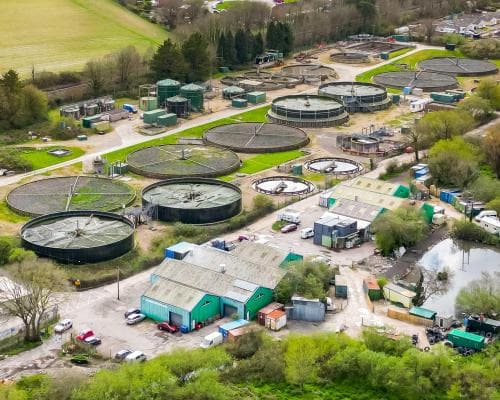
Here's a number that should make any investor stop: £670,000. That's the new base salary for Ruth Jefferson, chief executive of Wessex Water, after a 14% raise in October. Not bad for a company that just got banned from paying bonuses because its sewage kept spilling into British rivers and seas. The government's 2025 bonus ban was supposed to punish polluters. Instead, the board found a loophole — just bump up the base pay.
Jefferson's full compensation last year hit £791,000 including pension and benefits. That's 18 times the median employee's pay. Workers got a 3.5% raise. The message is unmistakable: when the system slaps one hand, the other hand reaches deeper into the till. This isn't just a PR disaster — it's a capital allocation story that matters to anyone who owns UK water bonds, infrastructure funds, or even just a pension with exposure to British utilities.
Let's get into the mechanics. Wessex Water is owned by Malaysia's YTL Corporation, a conglomerate that knows something about extracting value from regulated assets. The company serves 2.9 million customers in southwest England — Bristol, Bath, Bournemouth. It's a monopoly in all but name. And like most water monopolies, it generates steady, predictable cash flows backed by regulator-approved price hikes. But the sewage crisis has cracked the facade. The company's own annual report admits it expects to fall foul of the bonus ban "particularly in relation to environmental and operational metrics." So the board simply shifted the compensation structure. Base salary is not a bonus. Problem solved.
Jefferson isn't alone. Anglian Water awarded its CEO Mark Thurston a £500,000 "retention payment" — also while banned from bonuses. The parent company claimed it was allowed because the payment wasn't linked to performance. It was, they said, money that would otherwise have gone to shareholders, redirected to keep Thurston in his chair until January 2027. Let that sink in: shareholder dividends repurposed as executive retention cash at a company that can't stop polluting. The logic is that you need to pay top dollar to keep talent in a sector under siege. But the optics are catastrophic, and the regulatory backlash is only beginning.
For wealth builders, the takeaway is about scarcity and risk. Water assets have long been prized for their defensive, inflation-linked returns — a classic bond proxy. But the political and regulatory environment is shifting fast. The UK water sector is now facing potential renationalisation debates, tighter environmental fines, and a public that's furious about paying rising bills while executives collect seven-figure paydays. The era of passive, low-risk utility investing in Britain may be ending. Investors who treat these stocks as safe havens need to reassess the true cost of regulatory tail risk.
What does this signal for markets? First, watch for a widening discount on UK utility equities versus global peers. Second, expect activist investors or even sovereign wealth funds to start circling — distressed or undervalued assets with pricing power are never ignored for long. Third, the compensation structure itself is a canary: if boards feel forced to inflate base salaries to bypass bonus bans, the cost base of these companies rises, squeezing margins or pushing up customer bills. Either way, capital flows will adjust.
The smartest capital is already moving. Infrastructure funds with long-dated, inflation-linked contracts are still in demand, but the premium is now on governance and regulatory relations. A water company that can't keep its own sewage out of the Thames is a liability. A board that pays the CEO 18 times the median worker while the rivers run brown is a reputational time bomb. The lesson for wealth builders: when the public starts reading the annual report, the market is never far behind.