The £4.7 Billion Defence Hole and the Rent-Freeze Gamble: Andy Burnham's First-Week Ledger
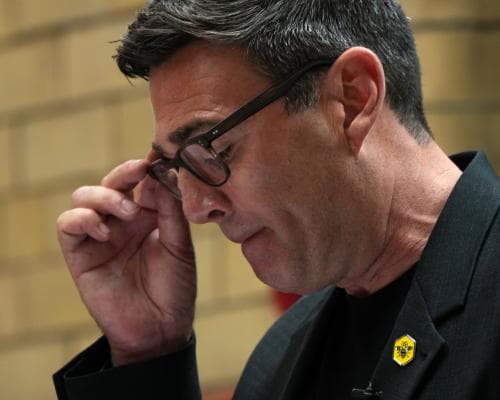
Andy Burnham hasn't even hung his coat in Number 10 yet, and already the ledger is flashing red. Sue Gray, the woman who once handed Keir Starmer a dossier of immediate fires — her infamous 'shit list' — is back, this time whispering in Burnham's ear. The list is longer. The numbers are uglier. And the clock is ticking.
Let's start with the defence hole. Starmer left Burnham with a £4.7 billion gap in military investment plans. That's not a rounding error — that's a missing battalion of tanks, a fleet of drones, or a year's worth of cyber defences. Downing Street and Treasury officials are quietly suggesting the new PM fund it through more borrowing. But here's the catch: inflation, already stoked by the Iran conflict, is eating away at the government's debt headroom. Borrow more, and you risk spooking the bond market. Borrow less, and you leave the country exposed.
Then there's the cost of living. Burnham has promised to be 'serious about putting more money back in people's pockets.' His policy adviser, Miatta Fahnbulleh, is pushing a year-long private sector rent freeze, a reduced bus fare cap, and stripping green levies off energy bills — paid for by general taxation instead. All of this costs real money. And while some in his team want to tax wealth to fund it, Burnham signalled this week he won't go there — at least not yet. That means he's either betting on higher growth to fill the gap, or he's preparing to borrow even more.
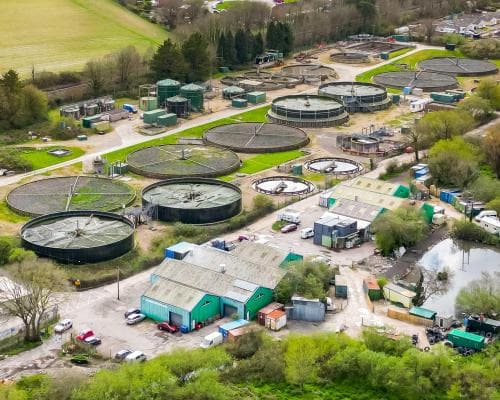
Thames Water is the third rail. Creditors are circling a £10 billion rescue package for the stricken utility, and Burnham will have to decide whether to let the market sort it out or step in with a taxpayer-backed bailout. Nationalise it, and you spook infrastructure investors. Let it collapse, and you risk a public health disaster. Either way, the water sector's reputation — already toxic — takes another hit.
For wealth builders, this is a moment to watch closely. Burnham's choices will set the tone for UK sovereign risk. If he leans into borrowing, gilt yields could rise, squeezing equities and real estate. If he taxes wealth — even if he's ruled it out for now — the London luxury property market and UK-listed dividend stocks could take a hit. If he bails out Thames Water, expect a wave of similar demands from other debt-laden utilities.
The smart money is watching the bond market first. If the 10-year gilt yield spikes above 4.5% in his first month, it will signal that investors doubt his fiscal discipline. If it holds steady, he might have room to manoeuvre. But with inflation still sticky and a war in the Middle East driving energy costs, the margin for error is razor-thin.
Burnham's real test isn't policy — it's credibility. Can he convince the City he's a safe pair of hands while simultaneously throwing rent freezes and bus fare caps at a cost-of-living crisis? Starmer couldn't. Sunak couldn't. The last PM to pull it off was probably Blair in 1997, and he had the tailwind of a booming economy. Burnham has a war, a water crisis, and a defence hole the size of a small country's GDP.
Here's the bottom line for anyone managing capital in the UK right now: hedge your gilt exposure, keep an eye on Thames Water's debt restructuring, and don't bet on a wealth tax — at least not yet. But do bet on volatility. Burnham's first hundred days will be a stress test for British assets. And Sue Gray, back in the shadows, is already drafting the next list.