Wildfire Triage: The New Calculus of Catastrophe Risk for Global Wealth
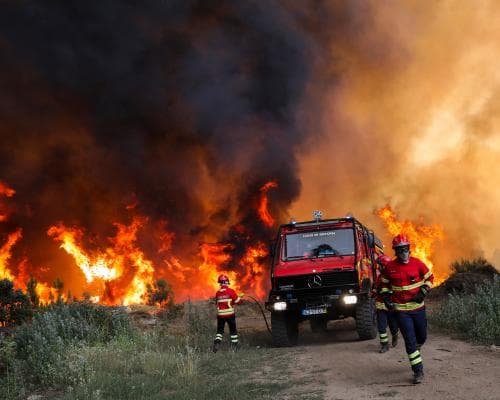
César Alcaraz remembers the panic of being a rookie firefighter, trapped by a blaze with an empty truck and no backup. That was the late 1990s. Now, as an officer in Alicante, he faces a different kind of terror: the quiet, clinical horror of triage. He has to decide which fires to let burn, which homes to abandon, which lives to risk. "It's not just about having more fires to fight," he says. "It's the risk of operational collapse." That collapse is already pricing itself into the world's most sophisticated portfolios.
For the wealth desk, this story isn't about the flames themselves—it's about what they signal for capital. When a fire service admits it can no longer protect every asset, the insurance industry, the bond markets, and every family office with exposure to coastal real estate or agricultural land must recalibrate. The Mediterranean is burning earlier and more frequently. France, Portugal, and Spain have seen record wildfire seasons. The UK, a country not historically associated with fire risk, had 19 separate blazes in a single week. Toronto became the world's most polluted city from Canadian smoke. This is not a regional anomaly. It is a structural shift.
The mechanics are brutal. A trio of heatwaves turned lush vegetation into dry tinder. Concurrent fires now break out with alarming regularity, forcing commanders to make "immediate triage decisions." For investors, the parallel is clear: you cannot hedge every tail risk. But you can see which assets are becoming uninsurable. The cost of reinsurance for wildfire-prone regions has already spiked. Some carriers are simply pulling out. For a billionaire with a vineyard in Provence or a villa in Alicante, the calculus has changed. The asset is still beautiful. But its liquidity and its carrying cost are no longer predictable.
This is where the wealth story gets sharp. The world's smartest capital is not just chasing returns—it is chasing resilience. The same families that built fortunes in coastal real estate are now quietly diversifying into assets that can withstand climate shock: water rights, timberland with managed fire risk, infrastructure in stable geographies. The triage that Alcaraz performs in the command center is mirrored in the boardrooms of family offices. Which holdings get defended? Which get sold? Which get left to burn?
The numbers are still emerging, but the trend is unmistakable. Data from the European Forest Fire Information System shows that the area burned in France this year is unprecedented for this point in the season. Spain has seen 13 deaths. The UK's "firewave" is a term that didn't exist a decade ago. For the wealth builders who think in decades, this is a signal to rotate out of passive exposure to climate-vulnerable regions and into active management of physical risk. The premium on assets that are fire-resistant, well-insured, and strategically located is only going to rise.
Alcaraz puts it plainly: "It's only going to get worse." He's talking about the fires. But for anyone managing serious money, the same sentence applies to the cost of inaction. The operational collapse he fears is not just about fire trucks and water supplies. It is about the collapse of a pricing model that assumed the world would stay the same. The wealthy who understand this will not just protect their portfolios—they will profit from the repricing. The rest will watch their assets burn, triaged out by forces they refused to see.