The Trader Who Called Time on Inequality — and Now His Own Channel
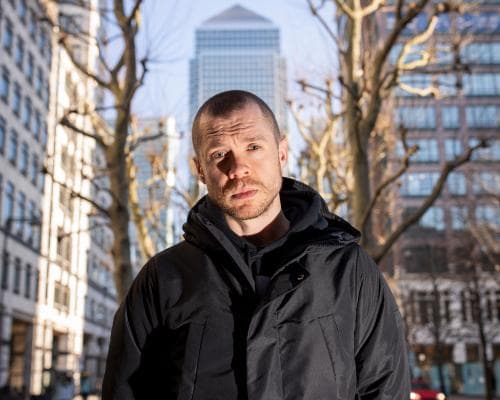
Gary Stevenson made millions betting on other people's misery. Now he's walking away from the platform that made him a folk hero — and he's exhausted.
The 38-year-old former City trader, who rose to fame on YouTube with his channel Gary's Economics, posted an 18-minute signoff on Sunday titled "It's time to say goodbye." The full 48-minute version is raw, unpolished, and utterly human. He said the weekly videos had become "harder and harder as he had got more tired." For a man who once thrived on the adrenaline of billion-dollar trades at Citibank, the admission feels like a closing of a circle.
Stevenson's story is a wealth parable for our times. Born in east London in 1986, he joined Citibank after the financial crisis and made a fortune trading interest rate derivatives — essentially betting on the direction of central bank policy. He retired young, disillusioned, and burned out. Then he turned his fire on the system that enriched him. His central argument: a 2% annual wealth tax on individuals with more than £10 million would raise £24 billion a year for the Treasury. That's not small change. It's roughly the UK's entire annual defence budget.
His YouTube channel grew to 1.64 million subscribers during the pandemic, when inequality became dinner-table conversation. Stevenson became the online avatar of the frustrated middle class — a man who had seen the sausage being made and didn't like the recipe. He predicted the cost-of-living crisis before it hit, warning that constant accumulation by the billionaire class was destabilising society. For a while, the markets listened.
Then came the documentary. Channel 4's "How to Get Filthy Rich with Gary Stevenson" aired last month, and it was a brutal watch. Stevenson took his wealth tax pitch to the very people who would pay it — hedge funders, private equity partners, property tycoons. The Guardian's Lucy Mangan wrote that he was "outdone and undone by almost all of his interviewees … left floundering, without convincing comebacks." The reaction was mixed even among left-leaning tax experts, who questioned the feasibility of his plan. Right-wing critics had a field day.
For the wealth desk, the real story isn't the documentary's reception. It's what Stevenson's burnout signals about the market for inequality narratives. His channel was a product — a high-engagement, high-emotion asset that monetised outrage at the 0.1%. But the shelf life of that product is finite. Audiences tire of doom. And the wealthy, who are Stevenson's implicit antagonists, have proven remarkably adept at ignoring the noise. The FTSE 100 doesn't trade on guilt.
What Stevenson understood — and what his critics often miss — is that the mechanics of modern wealth creation are opaque to most people. He made his money in derivatives, a world where a single trade can move billions without anyone outside a trading floor knowing. His call for a 2% wealth tax was not just a policy proposal; it was an attempt to make the invisible visible. But visibility doesn't equal action. The UK Treasury has shown zero appetite for a wealth tax, and the Labour Party — Stevenson's natural political home — has distanced itself from the idea.
Stevenson's exit leaves a vacuum. No other voice on YouTube combines his specific background — a City insider turned critic — with his reach. The channel's 1.64 million subscribers are now orphaned. Some will migrate to other inequality commentators. Others will simply tune out. For the wealthy, the silence is a small victory. For the rest of us, it's a reminder that the people who understand the system best are often the ones most damaged by it.
Where does Stevenson go now? He says he needs to rest. But don't count him out. Burnout in the trading world is common; comebacks are too. If he returns, it will likely be in a different form — perhaps a book, a podcast, or a more measured policy role. The markets, meanwhile, will keep churning. The billionaires will keep accumulating. And the 2% wealth tax will remain a fascinating hypothetical, debated in think tanks and dismissed in boardrooms.
For now, the trader who bet against the world and won — then tried to change it — is stepping off the stage. The show goes on. But it just got a lot less interesting.
More in MONEY

The Teacher Who Called the Market: Ignoring That 10:30 AM Call Might Be Your Best Wealth Move
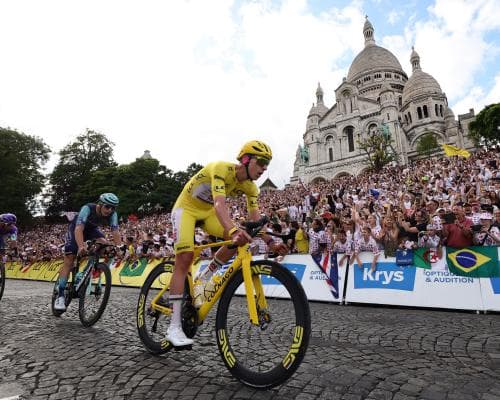
Tadej Pogacar’s Fifth Tour de France Win Is a Lesson in Compound Dominance — and What the Wealthy Can Learn From It
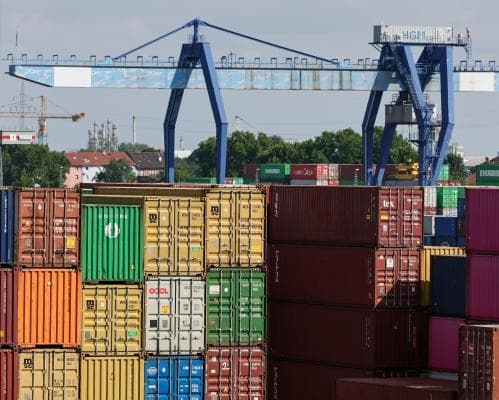
Trump's Tariff Blitz and a Middle East Oil Threat: Why Global Markets Just Hit a Triple Whammy