Morocco’s $21 Billion World Cup Bet: Infrastructure as the Ultimate Asset Class
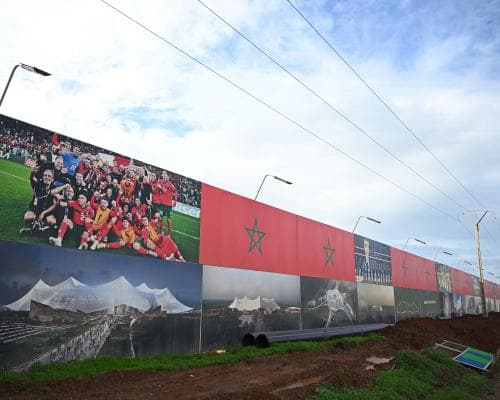
Morocco’s World Cup dream ended on the pitch against France. But off the pitch, the real game is just beginning. With 1,400 days until kickoff of the 2030 tournament—which Morocco will co-host with Spain and Portugal—the country’s football federation isn’t taking a summer break. They’re running a $21 billion infrastructure play that could be the most ambitious sovereign capital deployment in African history.
Let’s put that number in perspective. The budget for direct football investments alone is 50-60 billion Moroccan dirhams—roughly £4 billion to £4.8 billion. Then add another £17 billion for broader infrastructure upgrades: high-speed rail links, airport expansions, new hotels, and upgraded roads. The International Monetary Fund estimates that accelerated spending between 2024 and 2030 will equal 11.9% of Morocco’s entire 2024 GDP. That’s not a sporting event. That’s a national balance sheet transformation.
This is where the money-and-markets story gets interesting. Morocco is essentially treating the World Cup as a forced-march capital expenditure program. The Morocco 2030 Foundation—the country’s tournament preparation body—has already spent months in the United States studying how America organised its 2026 World Cup logistics. Monthly coordination meetings with Spain and Portugal are now routine. And Fifa is expected to name host cities by year-end, which will trigger a wave of land acquisition, construction contracts, and public-private partnership deals.
For the wealthy and their capital allocators, the question is simple: where does this money flow? Think of it as a sovereign-backed infrastructure fund with a hard deadline. Real estate near proposed stadium sites in Casablanca, Rabat, Marrakech, and Tangier is already pricing in a premium. Construction firms with local ties—like TGCC or Addoha—are natural beneficiaries. Logistics operators serving the new port of Tangier Med could see a decade of demand pulled forward. Even Morocco’s tourism sector, which has been steadily recovering, gets a structural boost from the hotel and airport capacity buildout.
But there’s a deeper signal here for global wealth builders. Morocco is positioning itself as a gateway between Africa and Europe—and the World Cup is the ultimate marketing budget. The country has already attracted automotive and aerospace manufacturing from Renault, Bombardier, and Safran. Now it’s betting that a successful World Cup will cement its status as a stable, business-friendly hub in a region often defined by volatility. For family offices and private equity firms looking for North African exposure, this is the kind of sovereign commitment that de-risks long-term bets.
The risks, of course, are real. A 12% GDP-equivalent spending program strains any economy. Morocco’s current account deficit and public debt levels will be tested. And there’s always the possibility of cost overruns or political friction with co-hosts Spain and Portugal. But for now, the direction is clear: Morocco is all-in. The country’s officials are blunt about it. “The World Cup, for Morocco, is beyond football,” one leading figure told the press. “It is about developing infrastructure that would be beneficial for the country going forward.”
So what does this mean for your portfolio? Watch the tenders. Watch the land prices. And watch how Morocco’s sovereign wealth fund, the Ithmar Capital, structures its co-investment vehicles. The 2030 World Cup isn’t just a tournament. It’s a $21 billion capital allocation event with a fixed deadline—and the smartest money is already tracking every dirham.