A Peer of the Realm: Anas Sarwar’s Sudden Westminster Pivot — and What It Says About Political Capital
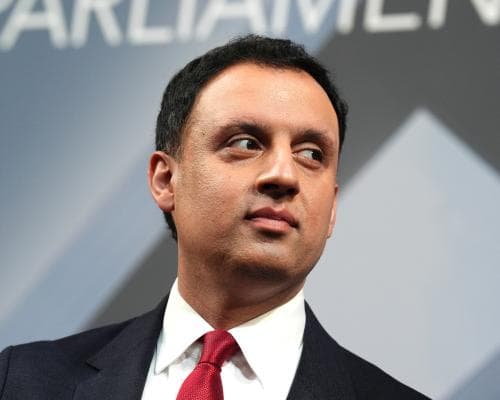
Anas Sarwar once called the House of Lords “unacceptable.” Now he’s about to prance about in ermine robes — and the market for political trust just took a hit.
Sarwar’s resignation as Scottish Labour leader, less than three months after a disastrous Holyrood election, has rivals calling him a “chancer” and accusing him of lying to voters. The prime minister plans to hand him a peerage and a ministerial post at the Department for Business, Innovation, Science and Trade. It’s a move that reeks of political expediency — and for anyone who watches how power is built and deployed, it’s a fascinating case study in the calculus of personal ambition versus public credibility.
The wealth angle here isn’t about billions — it’s about capital of a different kind. Political capital is the currency of influence, and Sarwar just burned a pile of it. The Scottish Greens’ co-leader, Gillian Mackay, didn’t mince words: “He has spent years attacking the very institution he is now preparing to join. The hypocrisy is breathtaking.” The SNP called for him to donate his new “bumper salary” to charity. That’s not just political noise — it’s a signal that Sarwar’s brand, carefully built over years as a Labour reformer, has been devalued in a single afternoon.
Let’s talk mechanics. Sarwar was the first senior Labour figure to call for Keir Starmer to resign. He campaigned on a platform of scrapping the Lords. Now he’s taking a seat in it. The timing is brutal: he resigned less than three months after Scottish Labour suffered its worst Holyrood results in history. If this were a stock, it would be a classic “buy the rumor, sell the news” fiasco — except the rumor was a promise, and the news is a reversal that leaves shareholders (voters, party members, donors) holding worthless paper.
What’s rare here isn’t the hypocrisy — politics is full of it. What’s rare is the speed. One Scottish Labour worker told The Guardian: “If he was going to resign, it would have been clearer to have stated that in May and given everyone the chance to have a proper assessment and restructure things however needed. Doing it this way means everyone is thrown into the lurch.” That’s the language of a team that just lost its quarterback mid-season — and discovered the QB had been negotiating a trade all along.
For the wealthy and the markets, this is a parable about credibility as an asset. Trust is the bedrock of any long-term capital deployment — whether you’re managing a portfolio, building a business, or leading a political party. Sarwar’s move shows that even the most carefully curated reputation can be liquidated overnight. The SNP’s George Adam drove the point home: “The Labour party and Anas Sarwar repeatedly denied and lied to the people of Scotland about Anas Sarwar’s intentions – the fact he will now be prancing about in ermine robes won’t be forgotten.” In wealth terms, that’s a permanent impairment charge.
But here’s the twist: those who know Sarwar insist it wasn’t planned. One Scottish Labour figure said the mood in the party was “surprised” — not cynical. If that’s true, then this isn’t a calculated power play. It’s a panic move. And panic moves, whether in markets or politics, tend to destroy value. Sarwar may gain a title and a ministerial salary, but he’s lost the one thing that can’t be bought: the trust of the people who put him where he was.
Looking ahead, this reshuffle reshapes the landscape for Scottish Labour — and for anyone watching the intersection of power, money, and reputation. The party now needs a new leader, a new strategy, and a new narrative. For the wealthy, the lesson is timeless: never confuse position with credibility. A peerage is a piece of paper. Trust is the real asset. And once you torch it, no amount of ermine can cover the smoke.