The $6 Billion Meat Bet That Could Redefine ESG Litigation
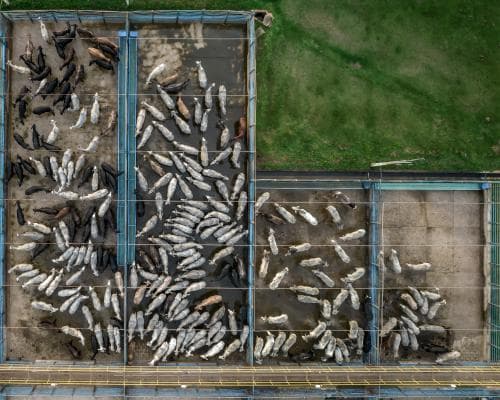
The world's biggest meat company has a problem that no amount of marbling can cover. JBS, the Brazilian-headquartered, Netherlands-based protein behemoth, is staring down a legal challenge that could force it to open its books on a $6 billion global expansion plan—and prove it doesn't cook the planet in the process. Greenpeace filed a petition in Dutch courts this week demanding the company disclose how its growth strategy squares with its own climate pledges and the country's 'duty of care' laws. This isn't just a PR headache for a meat packer. It's a canary in the coal mine for every capital allocator betting on the agri-food complex.
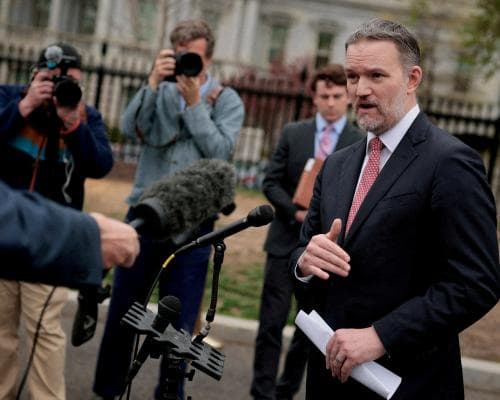
Let's be clear about the scale here. JBS isn't some regional slaughterhouse. It's the world's largest protein processor, with revenues north of $70 billion, operations stretching from Brazil to Australia to the U.S., and a market cap that makes it a fixture in global food and agriculture portfolios. The $6 billion expansion plan—covering new facilities, supply chain buildouts, and market penetration—represents a massive vote of confidence in the future of industrial meat. But Greenpeace's legal team, led by counsel Richard Brown, is asking a pointed question: 'We have a suspicion that they're flying blind and not pulling together the information they need to understand the impacts.' For investors, that's a red flag waving over a very large balance sheet.
The mechanics of this case are what make it genuinely novel. Until now, climate litigation has been a fossil fuel sport. Last month, a Paris court ordered TotalEnergies to disclose climate risks linked to its oil and gas products. In the Netherlands, Shell is fighting a high-profile case brought by Milieudefensie demanding a 45% carbon reduction by 2030. But this is the first time a major meat company has been dragged into the same arena. The legal hook is Dutch 'duty of care' law, which requires companies to consider the societal and environmental impacts of their operations. If the court grants the information request—a preliminary step toward full-blown litigation—JBS will have to hand over data on deforestation, methane emissions, and human rights risks tied to its expansion. That's the kind of transparency that could spook institutional investors and trigger a re-rating of the entire sector.
For wealth builders, the real story here isn't about animal rights or carbon accounting. It's about precedent. The agriculture sector is the single biggest driver of deforestation globally and a major source of methane—a greenhouse gas roughly 80 times more potent than CO2 over 20 years. If this case succeeds, it opens the door for similar challenges against Tyson Foods, Cargill, or any multinational protein producer with a growth plan and a public ESG commitment. Hedge funds that have been shorting oil majors on climate risk now have a new hunting ground. And private equity firms sitting on massive agri-food portfolios—think of the billions tied up in Brazilian beef, Australian lamb, or American poultry—need to start stress-testing their assumptions about regulatory and legal tail risk.
This is also a story about capital allocation in an era of tightening norms. JBS has publicly committed to net-zero emissions by 2040 and eliminating illegal deforestation from its supply chain by 2025. But Greenpeace's core accusation is that the company's expansion plan contradicts those promises. That's the kind of credibility gap that activist investors love to exploit. If the court orders full disclosure, expect a wave of shareholder resolutions, proxy fights, and perhaps even divestment campaigns targeting JBS bonds and equity. The company's $3.5 billion in outstanding debt, much of it held by institutional investors, could come under renewed scrutiny.
What does this mean for the markets right now? In the short term, it's a storm cloud over JBS's stock, which has already been volatile amid meat price cycles and geopolitical tensions over Brazilian deforestation. But the bigger signal is directional: the legal frontier is expanding. Wealthy families and family offices that have poured capital into sustainable agriculture and 'regenerative' meat alternatives should watch this case closely. If JBS is forced to slow its expansion or redirect capital toward compliance, it could tighten global protein supply, push up meat prices, and accelerate the shift toward plant-based and lab-grown proteins. That's a complex trade—long on alternatives, short on industrial meat—that sophisticated capital is already positioning for.
For now, the case is in its infancy. The Dutch court hasn't ruled on the information request, and full litigation could take years. But the message is already clear: no sector is immune from climate accountability, and the era of 'grow first, ask forgiveness later' is ending. The smartest capital in the room is already recalibrating. JBS's $6 billion bet just got a lot more expensive.