The Fringe Isn't a Posh Fest—It's the Ultimate Playground for the Curious Rich
Every August, Edinburgh transforms into a glittering, chaotic carnival of ideas—a place where a Nobel laureate might be found nursing a pint next to a first-year clown, and where the price of a ticket buys you a front-row seat to the human condition. For the ultra-wealthy, this isn't just a festival; it's a masterclass in cultural fluency. The Fringe is the one event on the global calendar where money can't buy you a better seat—only a sharper eye. And that, paradoxically, is its greatest luxury.
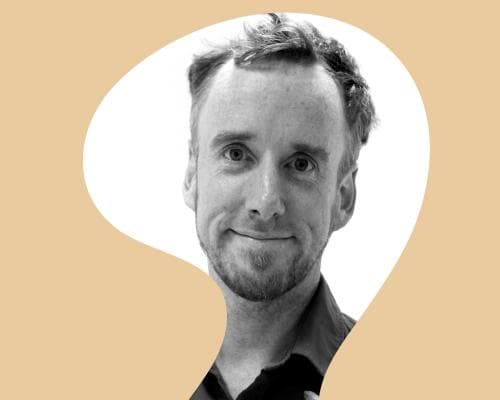
Let's address the elephant in the room, the one that snobs love to trot out: the Fringe is a 'posho fest.' Our critic, Brian, who has spent years in the trenches, begs to differ. He's seen the data, walked the mile of flyers, and watched a random cross-section of acts. The reality? It's a glorious hodgepodge of accents, bank balances, and backgrounds. Yes, there are privately educated performers—there always have been, in every art form. But to claim the Fringe is exclusively their playground is to ignore the thousands of working-class comics, poets, and physical theatre troupes who scrape together their savings for a month in a damp basement venue. The diversity isn't just onstage; it's in the queue for the loo. That's not a problem to be solved with quotas; it's a texture to be savored.
Now, let's talk about the real cost of entry—not the ticket price, but the sheer logistics. The Fringe, the International Festival, the Book Festival, the TV festival—all crammed into one medieval city with cobblestones and a housing shortage. It's a nightmare for the uninitiated, a logistical puzzle that would make a hedge fund manager weep. But here's the secret: the chaos is the point. The serendipity of stumbling from a one-man show about quantum physics into a cabaret about Victorian dentistry is what makes the Fringe a once-a-year alchemy. Brian, our critic, admits he loves the Book Festival, and that his comedy reviews are sharper because he can wander between worlds. For the truly wealthy, this is the ultimate status signal: not just attending, but navigating the chaos with grace, knowing exactly which overlapping shows to skip and which to champion.
What about the craft? The Fringe is the world's largest open-access arts market, which means the quality varies from transcendent to train-wreck. But that's the thrill. You're not buying a polished, focus-grouped product; you're investing in raw, unvetted human imagination. The best acts—the ones that make you gasp with laughter or sit in stunned silence—are the ones you'll never see in a West End theatre. They're the ones that sell out a 50-seat room at 11pm, where the performer can smell your skepticism. That's not a commodity; it's a collectible. And for those who've seen everything, who own every first edition and every vintage wine, the Fringe offers the rarest of luxuries: genuine surprise. Brian admits that after years of reviewing, the mechanics of comedy are familiar, but the *wow* still happens—not in the structure, but in the execution, in the sudden, unscripted moment when a performer breaks their own fourth wall.
What does this signal about wealth and taste? In an era of private jets and members-only clubs, the Fringe is the great equalizer. You can't buy a VIP pass to a moment of collective laughter. You have to be present, physically, emotionally, and intellectually. The wealthy who flock to Edinburgh aren't just buying entertainment; they're buying a kind of cultural insider status that no amount of money can replicate. They're saying, 'I'm not just rich; I'm curious. I'm not just powerful; I'm playful.' The Fringe is the anti-Davos, a place where power is measured not by your net worth but by your ability to be moved by a stranger's joke.
Looking ahead, the Fringe will face more challenges—rising costs, venue shortages, the temptation to relocate to a more 'sensible' city. But to move it would be to kill it. The magic is in the friction, the impossible density, the sheer audacity of cramming 50,000 performances into three weeks. For the ultra-wealthy, the smart play isn't to fund a new venue or sponsor a prize; it's to buy a townhouse in the New Town, hire a personal programmer, and spend August as a cultural omnivore. That's the real investment—not in property, but in experience. The Fringe isn't a posho fest; it's a feast, and the only requirement for entry is a willingness to be surprised. Bring your appetite.
The Experience
Book a private consultation with a cultural concierge to curate your personal Edinburgh Fringe itinerary—including late-night secret shows and dinner with the artists. Your August will never be the same.