The Tomato That Tastes Like Money: How Britain’s Elite Are Trading Red for Rainbow
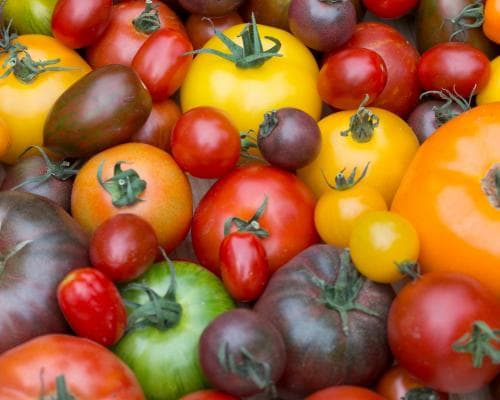
Walk into a British supermarket today and you might mistake the produce aisle for a painter’s palette. Striped, orange, purple, even brown tomatoes sit where the humble red round once ruled alone. This isn’t just a trend. It’s a quiet revolution driven by the same forces that turn a simple wristwatch into a Patek Philippe or a car into a bespoke Rolls-Royce: the pursuit of rarity, provenance, and an experience that can’t be replicated.
For decades, the classic round red tomato was the undisputed king of British salads and sandwiches. But its crown is slipping. Sales of “non-red” tomatoes have surged 21% this year alone, far outpacing the overall market, according to Paul Faulkner of Evesham Vale Growers. That growth is not a blip. Over two years, sales of these colorful varieties have doubled to £50 million. Meanwhile, the once-ubiquitous round red is losing ground, with sales hovering about £5 million below last year’s level. The upstart challenger? Cherry-on-the-vine tomatoes, a premium product that is on track to overtake the classic round variety in total sales this year. Think of it as the Champagne versus still wine of the tomato world.
The numbers tell a story of taste migrating upward. Britons spend just over £1 billion annually on tomatoes. Within that, the fastest-growing segment is the non-red category. Waitrose, the grocer of choice for the country’s discerning set, reports that sales of its £5 heritage tomato collection box have jumped 22.5% compared to last summer. That box is not just a purchase. It is a statement. A selection of yellow, green, and striped heirlooms signals that you care about what goes into your salad—and that you have the means to indulge that care.
But what makes these tomatoes worth the premium? It’s not just color. It’s craft. Growers like Isle of Wight Tomatoes now produce up to 55 varieties a year, selling them by online subscription as well as through Marks & Spencer and Ocado. Their managing director, Paul Thomas, describes the flavor profiles with the precision of a sommelier: an orange tomato is “a little bit fruitier than a red,” a yellow one is “less acid, more sweet,” and a brown tomato offers “more of a umami flavor.” These are not mass-market commodities. They are heirlooms, bred for taste over yield. In the past, colorful varieties looked the part but “didn’t taste great,” admits Faulkner. Now, new breeding has solved that. The result is a tomato that delivers both visual theater and genuine gastronomic pleasure.
This shift signals something deeper about the luxury market. It’s no longer enough for the ultra-wealthy to buy the biggest or the reddest. They want the rarest, the most artisanal, the one with a story. A heritage tomato collection box from Waitrose is the edible equivalent of a limited-edition watch: it shows you know the difference. Simon Conway, chair of the British Tomato Growers’ Association, puts it bluntly: “It’s very hard to get new consumers buying. What you can do is get them to trade up and buy more.” And they are. The bigger variety boxes often work out cheaper per kilo than smaller packs, yet they feel more luxurious. That’s the paradox of modern luxury: exclusivity that is accessible, but only to those in the know.
As the tomato market evolves, one thing is clear: the era of the boring six-pack is over. The future belongs to growers who can marry color with flavor, and to consumers who treat their produce like a collector’s item. For the truly discerning, the next step might be a subscription box from Isle of Wight Tomatoes, delivered to your door. Or a dinner party where the centerpiece is a platter of brown, striped, and orange tomatoes, each with its own origin story. Because in a world where everything can be bought, the ultimate luxury is taste that money can’t mass-produce.
The Experience
Book a private tasting with Isle of Wight Tomatoes to sample their full 55-variety subscription box, delivered to your door. Or visit Waitrose for this season’s heritage collection.