The Sandwich Wars of the Italian Riviera: Why the Ultra-Wealthy Are Choosing Picnics Over Pasta
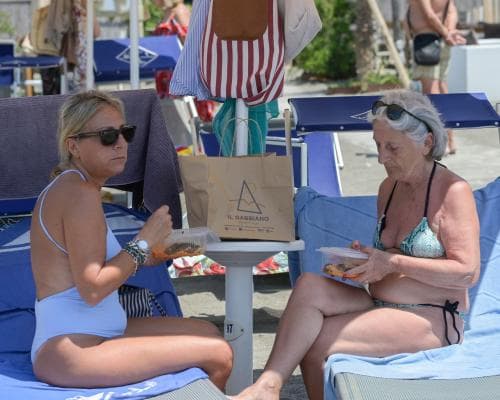
The scene unfolds at Il Tirreno, a private beach club in Montalto di Castro, where the Lazio sun bakes the sand to a pale gold. Beatrice Bordo, a woman who has paid €850 for a season’s worth of loungers and umbrella, unwraps a slice of pizza with the quiet defiance of a revolutionary. Her lunch—a pranzo al sacco—is not contraband. It is a statement. Across Italy, from the chic shores of Puglia to the glamorous coast of Vieste, a quiet war is being waged. The weapon? Homemade sandwiches. The enemy? The €50 beach-club restaurant lunch.
This is not about saving money. For the clientele of these private clubs—who drop thousands on season passes and think nothing of a €200 bottle of Prosecco—the packed lunch has become a badge of honor. It is a rebellion against the creeping commodification of leisure. At Vieste, a woman named Rosaria was confronted by staff after her son was caught eating a smuggled sandwich near the water. The incident, captured by journalist Luca Pernice of Corriere della Sera, ignited a national debate. The subtext is deliciously complex: when you’ve paid for your patch of paradise, who owns the air above your towel?
The craftsmanship here is not in the sandwich itself—though a proper Italian panino with prosciutto and mozzarella on crusty bread is a work of art—but in the choreography of the rebellion. Rosaria tucked her sandwiches at the bottom of her bag, advising her son to eat close to the sea, away from the prying eyes of club staff. It is a dance as old as the Italian coastline: the tension between public beach rights and private concessionaires. There is no national rule banning outside food, but individual clubs set their own policies. The result is a patchwork of privilege and pettiness that only the ultra-wealthy could find both infuriating and amusing.
The market context is telling. Italy’s private beach clubs are a multi-billion-euro industry, with season passes ranging from €500 to over €3,000 depending on location. At clubs like Il Tirreno, the bar serves coffee, ice cream, and granita—and Bordo spends freely there. But the restaurant? That’s a different story. “I can’t spend up to €50 a day to eat at their restaurant,” she says. “They can do what they want in their resort, but I’ll do what I want beneath my umbrella.” This is the new luxury: the freedom to say no. The right to choose a homemade sandwich over a €35 plate of spaghetti alle vongole. It signals a shift in taste—from conspicuous consumption to quiet autonomy.
For collectors of life’s finer experiences, this is a parable. The most coveted luxury is no longer the most expensive item on the menu. It is the ability to opt out. To sit on a €850 lounger, under a rented umbrella, and eat a slice of pizza that cost €2 to make. The sandwich war is a reminder that true taste is not about what you buy—it’s about what you choose to refuse. As the season stretches on, expect more clubs to quietly relax their policies. After all, nothing says “I’ve arrived” quite like ignoring the rules you paid to break.