Westminster's Open Bar: The Hidden Cost of Britain's Alcohol-Soaked Power Hub
Imagine closing a multi-million-pound deal at noon, and the first handshake comes with a glass of champagne. In Westminster, that's not a perk—it's the job description. A new report from the Institute of Alcohol Studies (IAS) has pulled back the curtain on a culture so entrenched that one MP admitted to having their stomach pumped after a session that ended in hospital. This isn't a fringe anecdote; it's the operating system of Britain's political elite.
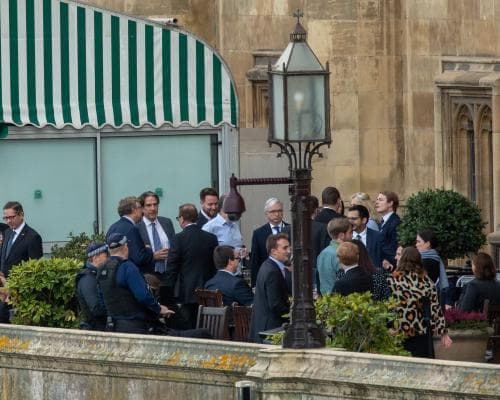
The survey of 190 MPs and staff paints a picture of a workplace that would make a City trading floor look like a monastery. Alcohol is 'embedded' in how Westminster functions—free at midday meetings, flowing at evening events, and often the lubricant for the networking that decides who gets access to power. One MP, still adjusting from civilian life, said: 'Going to a meeting at noon and alcohol's available. Of course, I'm not used to that in my old job.' That's not a complaint; it's a confession of how normalized the binge has become.
For wealth builders, this is more than a tabloid story about politicians letting loose. It's a case study in how a concentrated group of decision-makers operates under the influence—literally. The report cites a spiking incident in Strangers' bar that triggered a police investigation and temporary closure, and the case of Labour MP Neil Coyle, who once downed 200 units a week—the equivalent of 10 pints a night. When the people setting tax policy, signing off on trade deals, and regulating your industry are making calls with a blood-alcohol level that would fail a roadside test, that's systemic risk.
The economics of this culture are stark. The report notes that alcohol is frequently provided for free, a subsidy that would be unthinkable in most other UK workplaces. It's a perk that greases the wheels of lobbying, where access is the ultimate currency. For the wealthy, that access is often bought with a bottle. The IAS calls Westminster 'Britain's last alcohol-soaked workplace,' and the data backs it up: 24 MPs, 58 Westminster staff, and 108 constituency office personnel shared stories of drinking as a career tool. Loneliness, they said, is a driver—a factor that resonates with anyone who's spent years climbing a greasy pole.
But here's the market angle: this culture is a liability that's been underpriced for decades. In any other sector, a workplace with this level of impairment would be a red flag for investors. Imagine a hedge fund where the portfolio managers are routinely three sheets to the wind by 3 p.m.—you'd short it. Yet Westminster, the ultimate 'too big to fail' institution, gets a pass because it's tradition. The report suggests that's changing, but slowly. The spiking incident and Coyle's disclosure have sparked a conversation, but the free-flowing taps remain.
For the wealthy, this signals an opportunity—not to exploit, but to anticipate. If Westminster's drinking culture is finally forced to dry out, expect a shake-up in how lobbying and access work. The old boys' network, built on shared pints, will have to find new currency. That could open doors for outsiders who've been frozen out of the club. Or it could just mean more coffee meetings. Either way, the smart money is watching.
What's next? The IAS report is a warning shot, not a death knell. Parliament has survived scandals before, and the bar will likely stay open. But for those who manage capital—political or financial—the lesson is clear: the most valuable asset in Westminster isn't a policy paper; it's a clear head. As the culture shifts, the first movers who adapt will gain an edge. The rest can keep drinking—and watch their influence go flat.