The Real Mallorca: Why the Ultra-Wealthy Are Abandoning the All-Inclusive for the Authentic
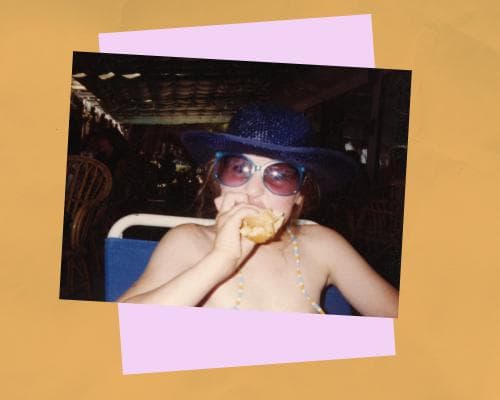
The photograph is a study in sun-scorched misery. A nine-year-old boy in sandals, clutching a little red clutch, stands on a barren patch of dirt behind a half-finished hotel. His toes are caked in dust, his skin already pinkening. Behind him, the promised land of Alcúdia’s resort complex—zip wires, kids’ clubs, unlimited chips—is a mirage he’s been marched away from. This is the moment his mother decided the family would find the “real” Mallorca. And for the ultra-wealthy today, that decision is worth a fortune.
In 1983, package holidays were still a novelty. My mother, a single parent with a deep aversion to forced fun, arrived at a sprawling hotel complex in Mallorca with me, nine, and my sister, 11. We were early adopters of the all-inclusive getaway—but she arrived in anything but an adopting frame of mind. She loathed buffets, small talk, piña coladas by the pool, and any form of group activity. I, on the other hand, was thrilled. The kids’ club had a zip wire. The chips were endless. I felt like a king. But after one morning by the pool and one lunch of not-quite-Spanish delights, she declared this was for losers. We were going to find the “real” Mallorca.
We had no car. We set off on foot, in sandals, with no sunscreen—because sunscreen wasn’t a thing yet. The only road had no pavement and led to more identical hotels. So we scrambled over building sites, clinging to rocks hot as pizza ovens, past anti-vandal infrastructure that made the place look like a prison. “No wonder we felt like prisoners,” she said. I had not felt like a prisoner. I had felt great. But my mother hated drinking water, and we were very, very thirsty. The landscape was parched, beige-post-apocalypse, with unattended diggers breaking up the horizon. We encountered no real Mallorcans—because even builders knew better than to be out in that heat.
That day, we walked for hours. We found no real Mallorca. We found only dust, sunburn, and disappointed hope that still aches like an ache in my throat. But here’s the thing: that failed quest is now the holy grail of luxury travel. The ultra-wealthy don’t want the all-inclusive. They want the authentic—the vineyard that has been in the same family for 500 years, the private chef who sources ingredients from a single village, the finca with no Wi-Fi and a view that hasn’t changed since the Moors left. They will pay $50,000 a night for a villa that feels untouched, for a guide who knows the back roads that don’t lead to other hotels.
What my mother was chasing, clumsily and painfully, is now the dominant signal of status. The ability to reject the commodified, the curated, the mass-produced—that is the new luxury. It’s not about the zip wire. It’s about knowing where the zip wire isn’t. It’s about having the resources to say no to the buffet and yes to a three-hour hike through a building site, because the real Mallorca is out there, and you have the time, the money, and the sheer bloody-mindedness to find it.
Today, that quest has been refined. The ultra-wealthy don’t walk in sandals. They arrive by helicopter, with a private concierge who has already scouted the “real” villages. They stay in restored monasteries or centuries-old olive mills. They hire local historians, not tour guides. The irony is that my mother’s failed expedition—thirsty, sunburned, dust-caked—is now a luxury product. The very thing she was seeking, the unspoiled, the authentic, the non-buffet, has become the most exclusive commodity of all. And for those who can afford it, the real Mallorca is no longer a disappointment. It’s a destination you have to earn.
The Experience
Book a private, curated tour of Mallorca’s hidden inland villages and centuries-old fincas, led by a local historian who knows the back roads that no resort map shows.