John Healey’s Surprise Treasury Takeover: A Safe Pair of Hands or a Sleeper Hawk for Markets?
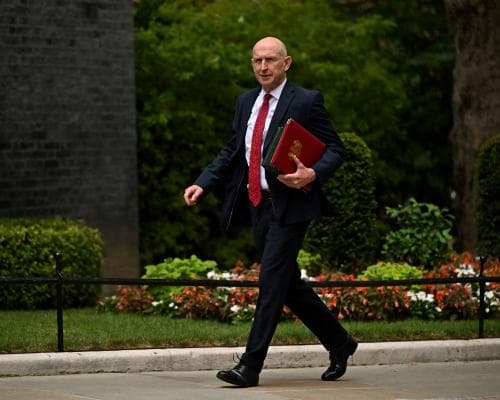
The military aircraft desk strapped down so John Healey could keep reading his papers mid-flight tells you everything about the man. He is relentless, disciplined, and apparently allergic to downtime. That work ethic is why Andy Burnham handed him the keys to the Treasury on Monday — a pick that surprised nearly everyone in Westminster and sent a quiet ripple through the gilt market. This is not the flashy, headline-grabbing appointment markets feared. It is something more interesting: a calculated bet on steadiness.
The new chancellor steps into a fiscal minefield. Burnham has promised not to touch income tax, VAT, or national insurance, and to stick to the previous government’s borrowing rules — the very straitjacket that throttled Rachel Reeves. Meanwhile, Healey must find billions for higher defence spending, nationalising utilities, and cutting living costs. That math does not add up without either breaking the rules or finding a creative loophole. Wealth managers are watching closely: any whiff of fiscal slippage could send UK gilt yields climbing and pound sterling sliding, directly hitting portfolios heavy on British assets.
Healey’s allies paint him as a safe choice who can unite a fractured party without spooking the markets. But those who know him longer warn he is more ideologically driven than his buttoned-up reputation suggests. One Labour official compared the appointment to Gordon Brown picking Alistair Darling — a chancellor initially seen as a No 10 puppet, who later proved to have strong views of his own. “Andy has to avoid making the same mistake,” the official said. For investors, the risk is that Healey’s quiet determination translates into stealthy fiscal expansion, dressed in the language of prudence.
The numbers tell the story. UK government debt is already above 100% of GDP, and the yield on 10-year gilts has hovered near 4.85% — a level that punishes any hint of profligacy. Healey inherits a bond market that is deeply sceptical of politicians bearing spending plans. His first major test will come with the autumn Budget, where he must either confirm the existing fiscal rules or announce a new framework. Any deviation will be met with an immediate repricing of UK risk. That is the kind of move that can wipe out a month of gains in a diversified portfolio overnight.
What makes this appointment fascinating for wealth builders is the contradiction at its heart. Healey is a fiscal hawk by temperament — the man who strapped a desk to a plane to keep working is not a natural spender. But he is also a loyalist to a prime minister who has made expensive promises. The tension between those two forces will define the UK’s capital markets for the next year. If Healey holds the line, UK assets could rally as credibility returns. If he bends, expect a sell-off in gilts and sterling, with knock-on effects for London-listed equities and real estate.
The smart money is watching one thing: Healey’s first major speech as chancellor. Will he sound like a technocrat or a reformer? The answer will signal whether Burnham’s government is serious about fiscal discipline or merely buying time. For now, the market is giving Healey the benefit of the doubt — but that grace period is measured in weeks, not months. The desk on the plane was a metaphor for his work ethic. The real test is whether he can build a desk sturdy enough to hold the weight of Britain’s finances.