UK's Job Market Cracks: Vacancies Halved, Wages Stagnate — What It Means for Capital Deployment
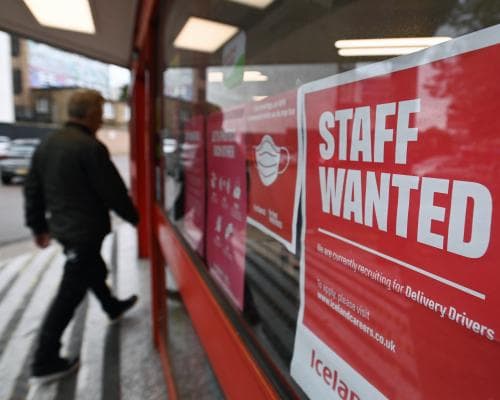
Imagine you're a CEO weighing whether to add headcount. The data just made that decision a lot easier — you don't. Official figures out today show UK job vacancies fell to 712,000 in the three months to May, almost half the level in 2022. That is not a soft landing. That is a hiring freeze dressed up in ONS statistics.
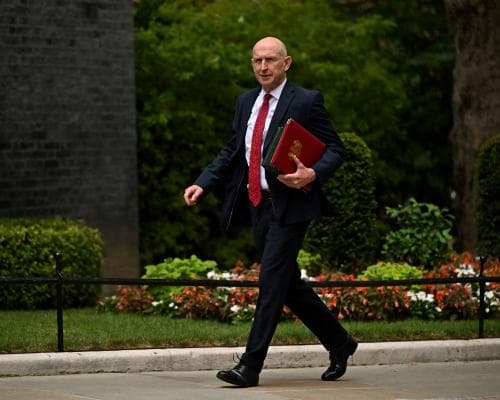
This is the story the new prime minister, Andy Burnham, inherits as he pledges to lift living standards across every region. Unemployment held steady at 4.9%, but that headline masks a deeper rot. Private sector earnings growth slipped to 2.9%, dragging average pay including bonuses to just 4.3% — below the 4.5% economists had pencilled in. For the wealthy, this is a canary in the coal mine for consumer demand and corporate pricing power.
Let's get into the mechanics. The UK's jobs market has been weakening for two years. Unemployment bottomed at 3.6% in summer 2022, then climbed to a peak of 5.2% last year before settling slightly. Today's numbers show that recovery was a mirage. Employers are spooked by soaring employment taxes, new regulations, and the economic shockwaves from the Iran conflict. Suren Thiru of ICAEW put it bluntly: 'The continued fall in job vacancies is a stark warning that demand for staff is dissipating under the weight of sky-high staffing costs, more onerous regulation and heightened uncertainty.'
For capital allocators, this is a signal to revisit UK exposure. When companies stop hiring, they stop spending on office space, recruitment platforms, and training. Margins get squeezed as revenue softens but fixed costs don't budge. The bond market is already pricing in a slower growth trajectory — gilt yields have edged lower as investors flee risk. Meanwhile, the FTSE 250, which is more domestically focused than its blue-chip cousin, has underperformed the S&P 500 by nearly 8% this quarter.
Burnham's promise to 'inject renewed vigour' into the economy now faces headwinds that no 10-year plan can quickly fix. Raising living standards requires wage growth above inflation, but with private sector pay rising at just 2.9%, real incomes are barely treading water. The wealthy should watch how this plays out in consumer discretionary stocks — think retailers, hospitality, and auto makers. If hiring stays weak, spending will follow.
What does this mean for your portfolio? First, the UK is not a growth story right now. It's a value trap unless you're picking assets that benefit from a weaker labour market — like staffing agencies that help companies cut costs, or defensive sectors like utilities and healthcare. Second, keep an eye on the Bank of England's next move. A fragile jobs market could force rate cuts sooner than expected, which would be a tailwind for long-duration bonds but a headwind for the pound.
Here's the forward look: the next six months will tell us whether this is a cyclical dip or a structural shift. If Burnham delivers on deregulation and infrastructure spending, the hiring freeze could thaw. But if the Iran situation escalates and employment taxes keep rising, we could see vacancies fall below 600,000 by autumn. For now, the smart money is hedging UK risk — and waiting for a clearer signal before deploying capital into British equities or real estate.