The Strait That Divides the World: Why the Ultra-Rich Are Watching Hormuz
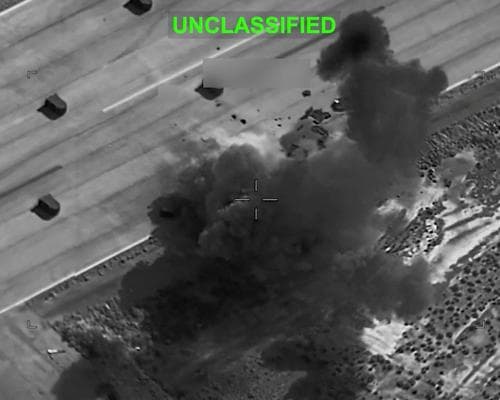
The first clue that something had gone terribly wrong in paradise came not from a diplomatic cable, but from the sudden silence of a satellite phone aboard a 90-meter superyacht anchored off Dubai. The captain had been tracking a routine passage through the Strait of Hormuz—that slender, shimmering corridor of turquoise water that separates the Arabian Peninsula from Iran—when the horizon lit up. Not with dawn, but with missiles. Over two nights, the US military struck 170 targets across five Iranian provinces, killing 14 and wounding 78, according to Iran’s health ministry. The interim truce between the US and Iran, fragile as a hand-blown glass ornament, was declared “over” by President Trump during the NATO summit in Turkey. For the ultra-wealthy, this is not a distant headline. It is a disruption of the most intimate kind: the route their Gulfstream takes to reach the Maldives, the insurance premium on their 120-foot motor yacht, the provenance of the beluga they serve at dinner.
For the uninitiated, the Strait of Hormuz is not merely a body of water. It is the world’s most expensive real estate you cannot buy. Roughly 21 miles wide at its narrowest point, this sliver of sea carries about 20 percent of the globe’s petroleum—roughly 17 million barrels per day—along with liquefied natural gas, container ships laden with Italian marble, and the occasional megayacht ferrying billionaires between the Arabian Gulf and the Indian Ocean. When Iran threatens to close it, as its top negotiator Mohammad Baqer Qalibaf vowed to keep it under “Iranian management,” the ripple effect is immediate: crude oil futures spike, jet fuel costs surge, and the price of a case of Dom Pérignon Rosé Vintage 2008 climbs another few hundred dollars. This is not about politics. It is about provenance—where your fuel comes from, how your wine gets chilled, and whether your summer home in Sardinia remains reachable.
The craftsmanship of this crisis lies in its precision—or lack thereof. Centcom claimed the strikes aimed to “degrade Iran’s ability to attack commercial shipping and innocent civilian mariners,” a euphemism that masks the terrifying beauty of modern warfare: cruise missiles that cost $1.5 million each, fired from destroyers that cost $2 billion, all to protect a shipping lane that moves goods worth trillions. The irony is not lost on collectors of rare timepieces or vintage automobiles, who understand that value is often a function of scarcity and control. Here, control is slipping. Iranian retaliatory strikes on US bases in Bahrain, Kuwait, and Qatar have turned the region into a live-fire gallery. For the owner of a private island in the Seychelles, the question is no longer whether the yacht can pass, but whether the insurance will pay out if it doesn’t.
In the market for geopolitical luxury, this is a moment of recalibration. The ultra-wealthy have long treated the Middle East as a playground—Dubai’s Palm Jumeirah, Abu Dhabi’s Louvre, Oman’s empty-quarter desert camps—but the Strait of Hormuz has always been the invisible thread connecting those pleasures to the rest of the world. When that thread frays, the entire tapestry shifts. Private jet operators are rerouting flights from Europe to Asia via the Cape of Good Hope, adding six hours and $50,000 in fuel costs. Yacht insurers are quietly rewriting policies, excluding “war risk” zones that now include the entire Arabian Gulf. And the collectors? They are watching the price of Iranian caviar—already a rare delicacy—climb as sanctions tighten and supply chains snap. The true luxury, it seems, is not a Birkin bag or a Bugatti. It is the freedom to move without asking permission.
What this signals about luxury taste is both sobering and exhilarating. The old markers—a watch, a car, a handbag—are becoming static. The new status symbol is resilience: the ability to navigate a world where borders are fluid, alliances are brittle, and the most coveted asset is a clear path. The ultra-wealthy are not retreating. They are adapting. Private bunkers in New Zealand, fully fuelled Gulfstreams on standby, and yachts equipped with satellite-linked crisis management teams are the new essentials. The Strait of Hormuz is not just a choke point for oil. It is a mirror reflecting the fragility of the gilded life. Those who plan for the storm, not the sunshine, will be the ones still sipping Krug on deck when the dust settles.
Looking forward, the horizon is both dark and dazzling. The interim truce is dead, but the region has a long history of improbable ceasefires brokered over backgammon boards in Doha or over glasses of mint tea in Muscat. For now, the smart money is on hedging: dual passports, dispersed assets, and a willingness to abandon a beloved itinerary at a moment’s notice. The Strait of Hormuz will reopen—it always does—but the next time you book a crossing, you might ask your captain not just about the weather, but about the missile defense system. In the curated life, the most beautiful destinations are often the ones that demand the most careful planning.